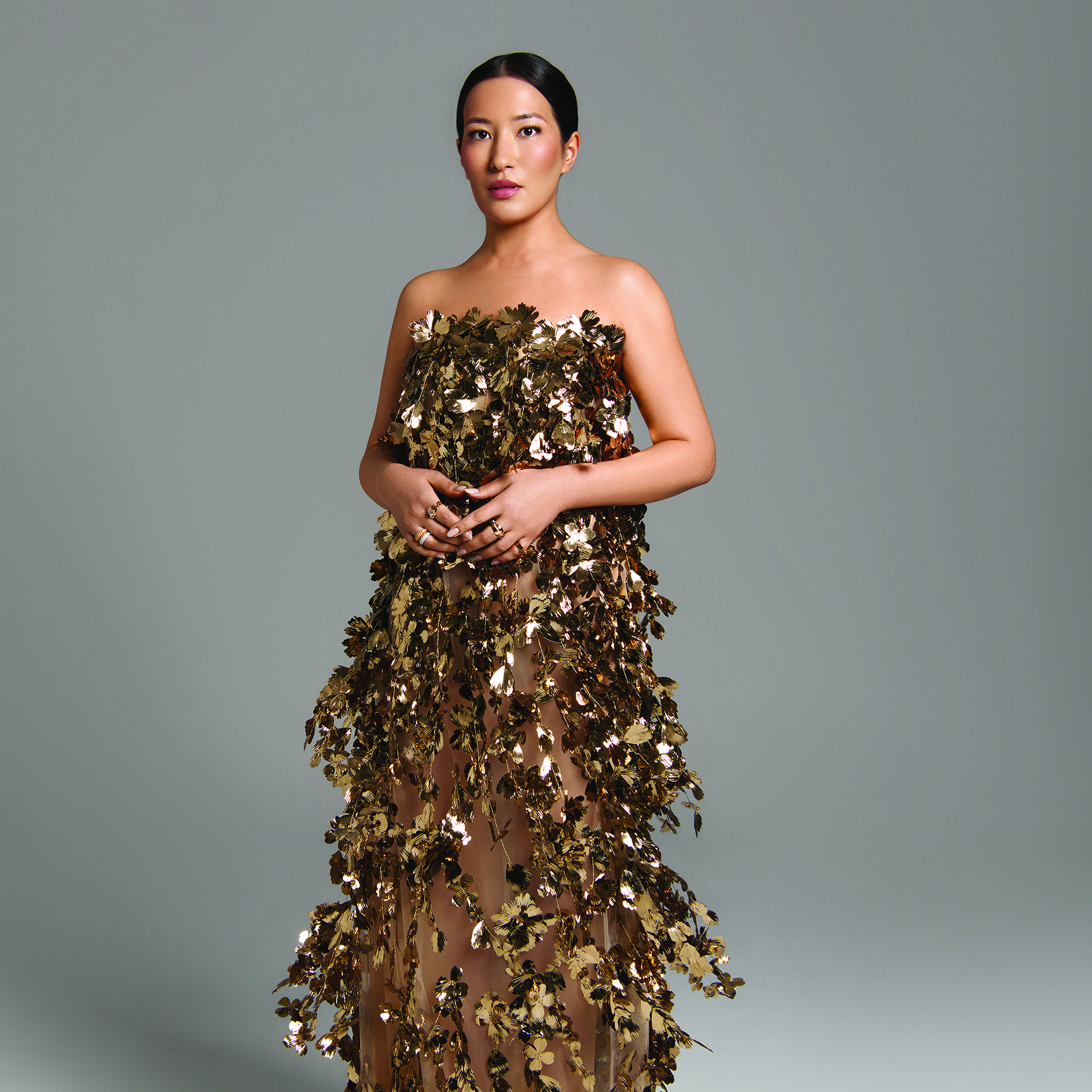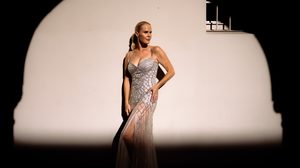

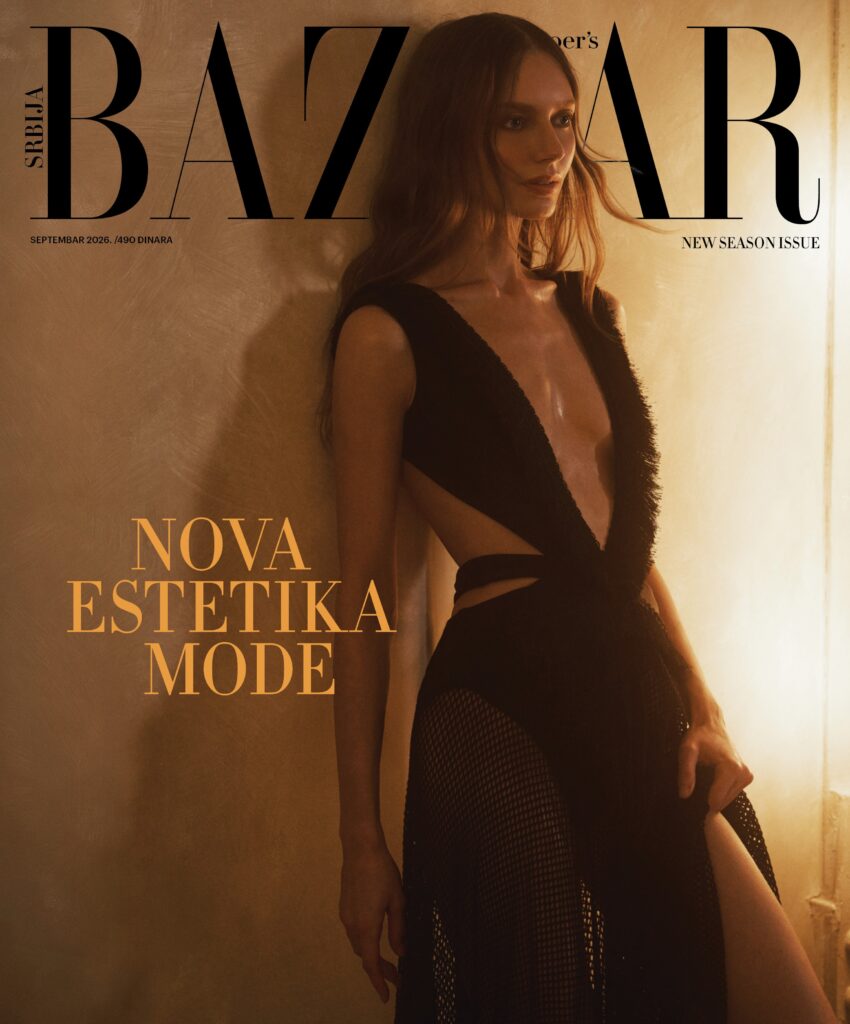
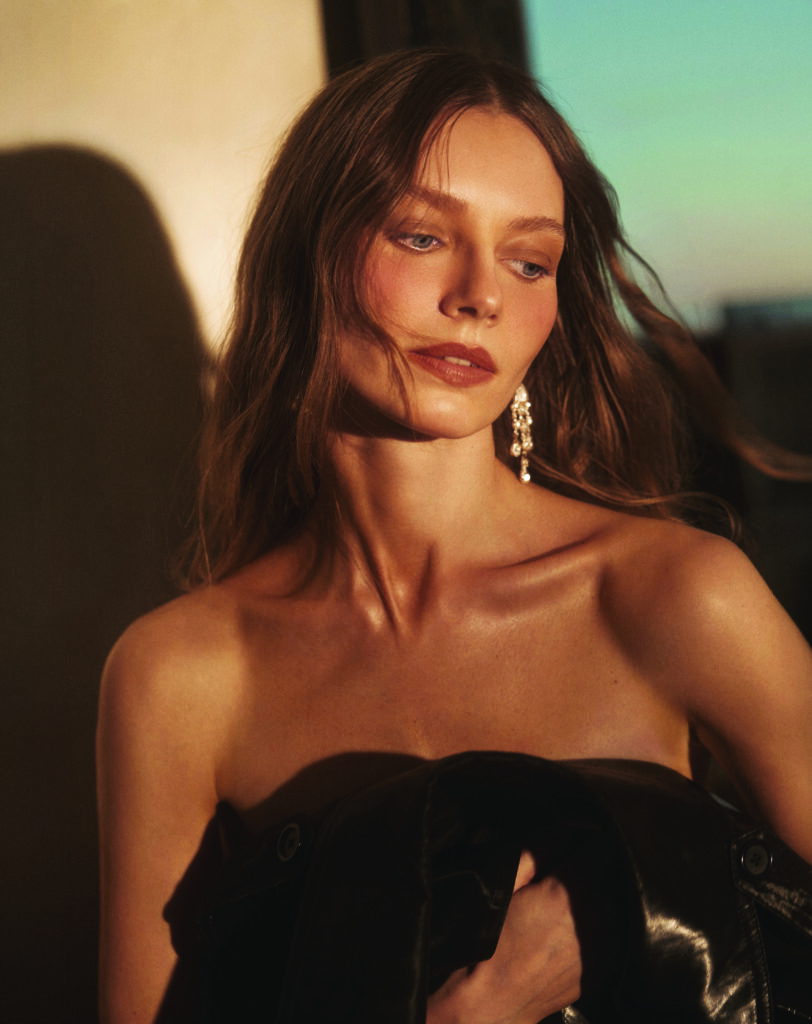
Moda je za Tali Sabetskaya mnogo više od odeće. Ona je način na koji posmatramo sebe, druge i svet oko sebe — ponekad svesno, a ponekad bez želje da priznamo šta zapravo govorimo svojim izborima. Njena karijera vodila ju je kroz različite modne prestonice, od New Yorka i Milana do Los Angelesa, dok su joj studije Psychology of Fashion na UAL otvorile dublji pogled na psihologiju koja stoji iza našeg odnosa prema odeći i ličnom stilu.
Danas Tali Sabetskaya podjednako privlače moda, umetnost, film, predmeti sa istorijom, životinje, ljudsko telo i ideja dugovečnosti. U njenom svetu estetika nije površina, već prostor u kojem se prepliću identitet, sećanje, emocija i želja da postanemo neka druga verzija sebe. Za Tali Sabetskaya, oblačenje nije samo samoizražavanje — ono je svojevrsna proba, način da isprobamo različite verzije sebe i zadržimo one koje nam odgovaraju.
U razgovoru govori o tome kako se moda menja od grada do grada, šta odeća otkriva o nama, zašto nas privlače predmeti koji su imali život pre nas i kako su film, umetnost i priroda oblikovali njen pogled na lepotu.
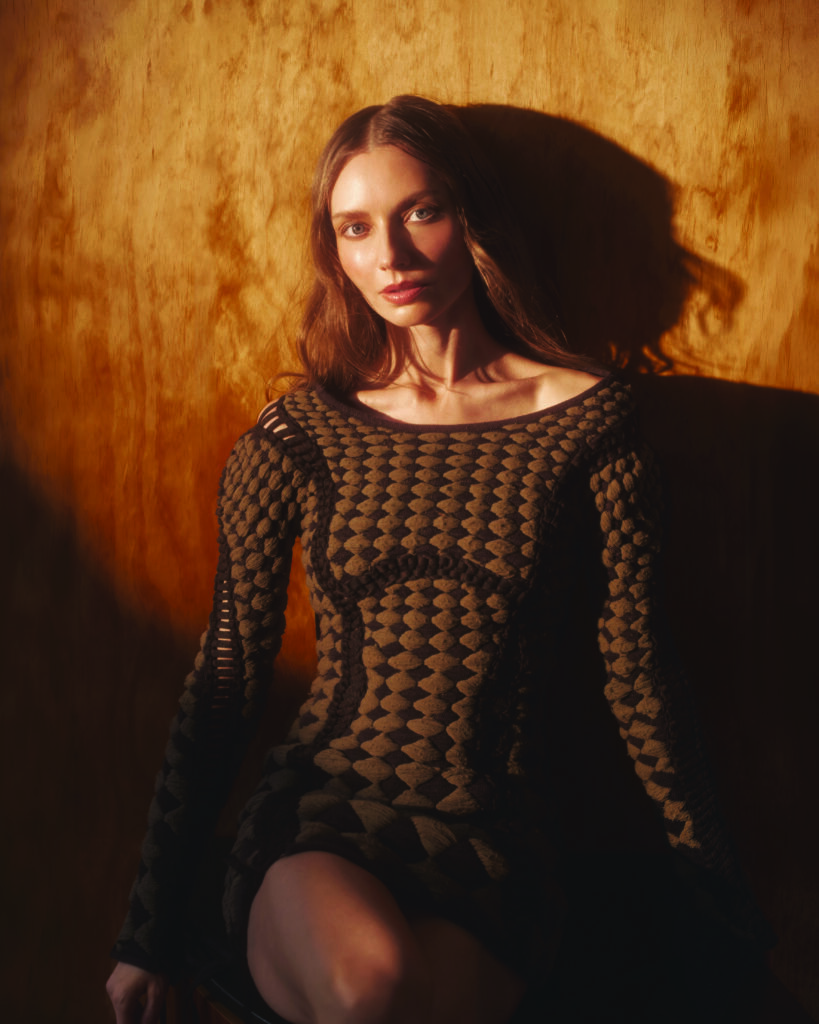
Vaša karijera vas je vodila kroz različite modne prestonice i tržišta, od New Yorka i Milana do Los Angelesa. Šta su vas ta iskustva naučila o tome kako se moda razlikuje od grada do grada, a šta je ono što ostaje univerzalno?
Tali Sabetskaya: Svaki grad ima svoj osećaj: za mene su ljudi i klima ono što pravi najveću razliku. New York ima najbrži tempo i ljudi tamo imaju malo vremena za bilo šta osim posla. Oblače se elegantno i praktično, spremni za svako vreme. Los Angeles je više stvar prostora i jednostavnosti: toplina se zaista oseća i u ljudima i u modi. Milan je, za mene, grad duge kose i dugih haljina. Sporiji je od nekih prestonica, poput Seoula ili Londona, ali ceni lepotu i stil. Ono što se ne menja jeste želja da negde pripadamo, a da se istovremeno od drugih pomalo izdvajamo.
Kako je studiranje Psychology of Fashion na UAL promenilo način na koji posmatrate odeću, lični stil i način na koji ljudi grade osećaj sopstvenog identiteta?
Tali Sabetskaya: Studiranje na UAL bilo je pomalo kao da gledate iza kulisa pozorišne predstave: zadovoljilo je moju radoznalost, ali mi je istovremeno oduzelo deo čarolije. Naučila sam mnogo o marketingu i psihologiji potrošača i shvatila da se većina naših odluka o kupovini podjednako zasniva na lepim pričama kao i na lepoj odeći.
Ono što me je iznenadilo jeste to što me to saznanje nije učinilo manje željnom odeće; samo je zadovoljstvo premestilo na neko drugo mesto. Prestala sam da se pitam da li je nešto lepo i počela da se pitam ko mi to omogućava da budem tog dana. Mislim da je upravo to ono što oblačenje zapravo jeste: ne samoizražavanje, koje podrazumeva da već postoji neka završena verzija nas koja čeka da bude izražena, već proba. Ljudi isprobavaju jednu verziju sebe i zadržavaju delove koji im odgovaraju. Moj stil je nakon studija postao tiši i mnogo promišljeniji. Imam manje stvari i tačno znam čemu svaka od njih služi.
U šali kažete da ljudima možete tačno objasniti zašto su kupili određeni kaput, čak i ako im se odgovor možda neće dopasti. Šta mislite da moda otkriva o nama, a što često ne znamo ili ne želimo da priznamo sebi?
Tali Sabetskaya: Odeća prilično loše čuva tajne. Stalno nas odaje. Ljudi se često oblače u skladu sa tim kako žele da ih drugi vide, ali još više u skladu sa tim kako žele da vide sami sebe. Zato su mnogi garderoberi puni stvari za onu verziju nas samih koja još nije stigla.
Ponekad bih kupila neki komad odeće (ili umetničko delo) samo zato što mi se veoma snažno nije dopadao. Shvatila sam da to često znači da bi to bila savršena stvar za neku buduću verziju mene.
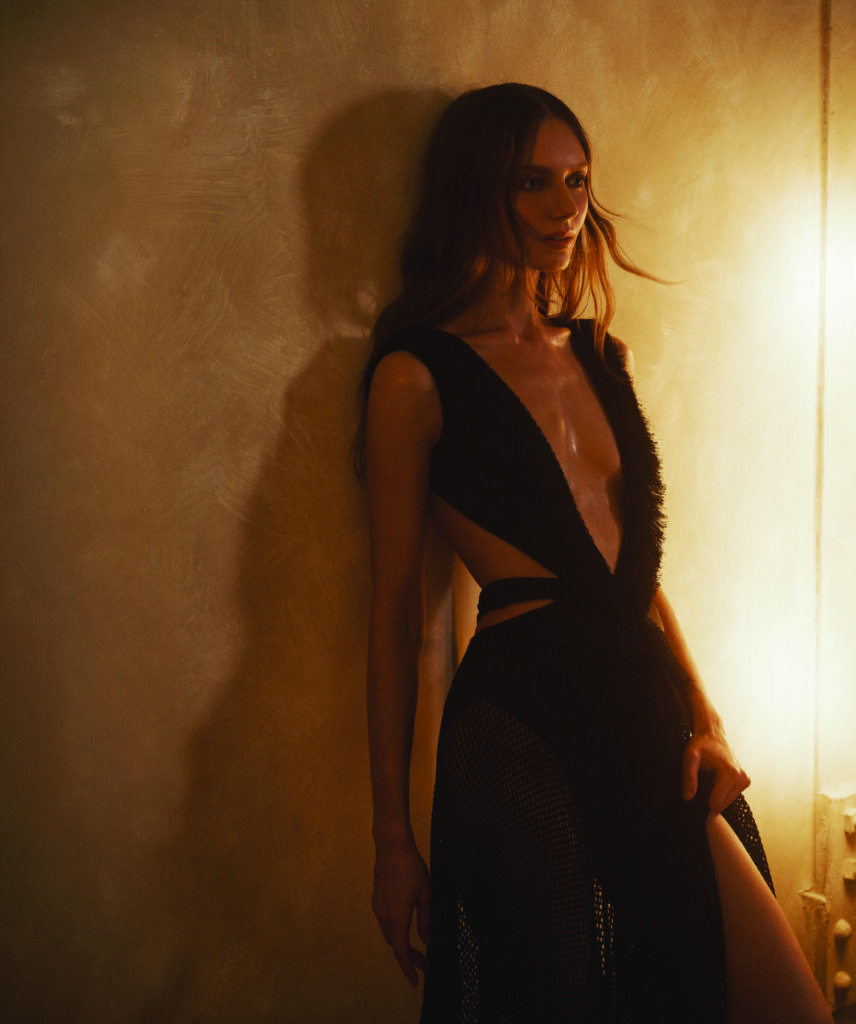
Kao dete ste bili fascinirani medicinskom enciklopedijom, dok danas imate duboko interesovanje za dugovečnost. Odakle potiče ta fascinacija telom, zdravljem i idejom produžavanja kvaliteta naših života?
Tali Sabetskaya: Mislim da je prirodno da svako želi duži i zdraviji život. Bila sam veoma načitana kao dete i u jednom trenutku sam čak ostala bez knjiga za čitanje u školskoj biblioteci, ali me je istovremeno fascinirala i medicina: kako mala pilula može da promeni način na koji funkcioniše čitavo telo ili kako različite biljke mogu imati korisne efekte.
Kako je vaša ljubav prema životinjama postala tako važan deo vašeg života i na koji način danas podržavate organizacije koje se bave zaštitom životinja?
Tali Sabetskaya: Životinje imaju neku tihu misteriju koja me je oduvek privlačila. Veoma živo se sećam nelagode koju sam osećala kada je mladunče vrane koje sam negovala i vratila u život poslednji put odletelo…
Kada je reč o zaštiti životinja, London Wildlife Trust zauzima posebno mesto u mom srcu, ali najvažnije je pronaći poštenu humanitarnu organizaciju koja će vašu podršku zaista dobro iskoristiti.
Deluje da imate veoma emotivan odnos prema stvarima koje sakupljate — privlače vas predmeti koji deluju kao da su imali život pre vas. Verujete li da predmeti mogu da nose neku vrstu energije, sećanja ili ličnosti?
Tali Sabetskaya: Verujem, ali svaki predmet je jedinstven i trudim se da nikada ne razmišljam previše o tome. Kada me neki predmet poveže sa pričom ili emotivnom slikom, to je često dovoljno. Sećanje je uvek u detaljima: u patini kože, u sitnim pukotinama i promenama na keramici. Uživam u tome da se sećam ili samo zamišljam događaje i osećanja kojih su ti predmeti bili deo.
Moje najnovije otkriće i opsesija jesu keramike Aki Kutayama, posebno njeni komadi koji oponašaju teksture i izgled drveta. Rekreacija složenosti i energije prirode ljudskim rukama, kao i veština potrebna da se to izvede, čine ove komade za mene veoma posebnim.

Šta je to u filmu i vizuelnom pripovedanju što vas fascinira još od detinjstva i kako atmosfera, svetlost, emocija i narativ oblikuju način na koji gledate na svet?
Tali Sabetskaya: Slike i osećanja mnogo lakše pronalaze put do mog sećanja nego činjenice i brojke. Često se sećam kako je nebo izgledalo određenog dana, njegovih boja, senki i onoga što sam osećala dok sam ga gledala. Posebno volim Zlatno doba Hollywooda, kao i neke stare italijanske i francuske filmove: emotivno pripovedanje i vizuelna elegancija oduvek su mi bili bliski.
Neke scene mogu da prizovem do najsitnijeg detalja, iz razloga koje ne bih umela da pretočim u reči.
Glavni i odgovorni urednik: Petar Janošević
Tim:
Fotografija: Caleb & Gladys
Stil: Dylan Wayne
Model: Tali Sabetskaya, Bounty Models Agency
Šminka: Ann Benjamas, koristila Dior Beauty
Frizura: Ty Shearn, koristio Sophter
Asistenti fotografa: Jimmy Yang i Yutong
PR: Valentina Gurova, Aliyans Media Group
English here:
Tali Sabetskaya: The New Aesthetics of Fashion
On fashion as a space between identity, art, and personal expression
For Tali Sabetskaya, fashion is much more than clothing. It is a way of looking at ourselves, at others, and at the world around us – sometimes consciously, and sometimes without wanting to admit what our choices are actually saying. Her career has taken her through different fashion capitals, from New York and Milan to Los Angeles, while studying Psychology of Fashion at UAL gave her a deeper insight into the psychology behind our relationship with clothing and personal style.
Today, Tali Sabetskaya is equally drawn to fashion, art, cinema, objects with a history, animals, the human body, and the idea of longevity. In her world, aesthetics are not merely about the surface, but a space where identity, memory, emotion, and the desire to become another version of ourselves intersect. For Tali Sabetskaya, dressing is not simply an act of self-expression — it is a kind of rehearsal, a way of trying on different versions of ourselves and keeping the ones that feel right.
In this conversation, Tali talks about how fashion changes from one city to another, what our clothes reveal about us, why we are drawn to objects that seem to have had a life before us, and how cinema, art, and nature have shaped her understanding of beauty.
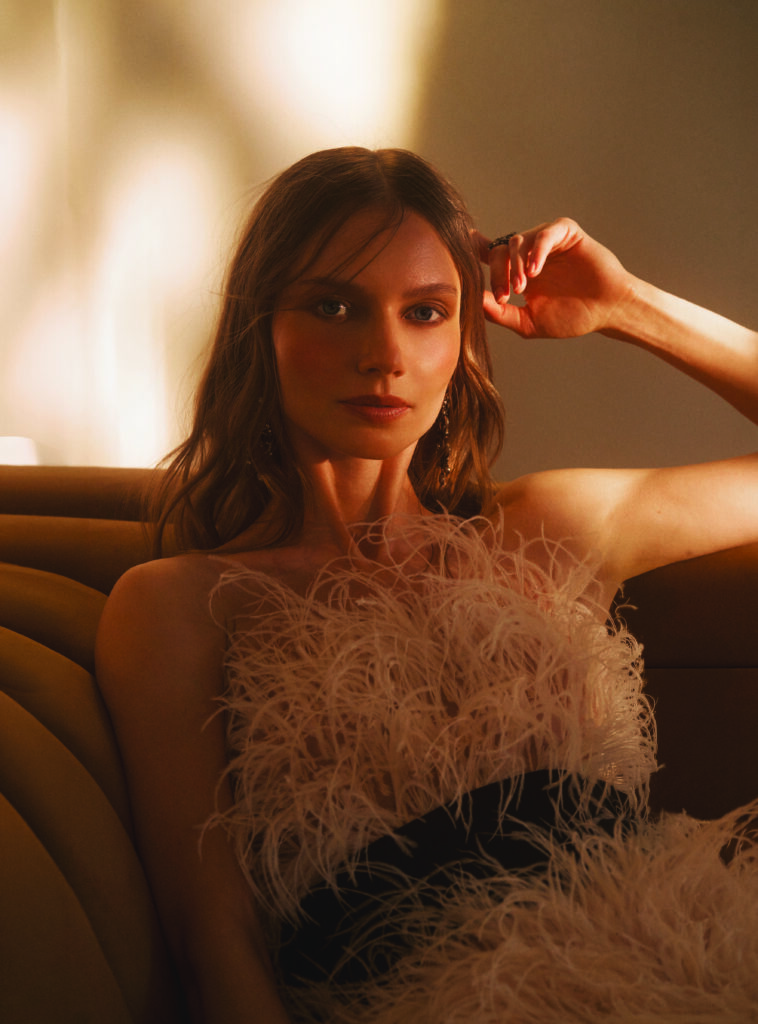
Your career has taken you across different fashion capitals and markets, from New York and Milan to Los Angeles. What have these experiences taught you about the way fashion differs from one city to another and what remains universal?
Tali Sabetskaya: Every city has its own feeling: for me, it is the people and the climate that make the biggest difference. New York has the fastest tempo, and the people there have little time for anything but work. They dress with elegance and practicality, ready for any weather. Los Angeles is more about space and simplicity: the warmth really shows in both the people and the fashion. Milan, for me, is the city for long hair and long dresses. It is slower than some capitals, like Seoul or London, but it values beauty and style. What does not change is the wish to belong somewhere and to stand slightly apart at the same time.
How has studying Psychology of Fashion at UAL changed the way you look at clothing, personal style, and the way people construct their sense of identity?
Tali Sabetskaya: Studying at UAL was a bit like looking behind the curtains of a theatre play: it satisfied my curiosity but also ruined some of the magic. I learned a lot about marketing and consumer psychology, coming to realise that most of our buying decisions are driven by beautiful stories as much as by beautiful clothes.
What surprised me is that knowing this didn’t make me want the clothes any less; it just moved the pleasure somewhere else. I stopped asking whether something was beautiful and started asking who it lets me be for the day. That is what dressing actually is, I think: not self-expression, which assumes there’s a finished self waiting to be expressed, but rehearsal. People try on a version of themselves and keep the parts that hold. My own style got quieter after the degree, and much more deliberate. I own fewer things, and I know exactly what each one is doing.
You joke that you can explain to people exactly why they bought a particular coat, even if they may not enjoy hearing the answer. What do you think fashion reveals about us that we often don’t know, or don’t want to admit, about ourselves?
Tali Sabetskaya: Clothes are quite bad at keeping secrets. They tell on us constantly. People often dress based on how they want to be seen, but even more so on how they want to see themselves. This is why so many wardrobes are full of things for the version of ourselves that hasn’t arrived yet.
I would sometimes buy a piece of clothing (or art) just because of how strongly I disliked it. I found this often meant that it would be the perfect thing for a future me.
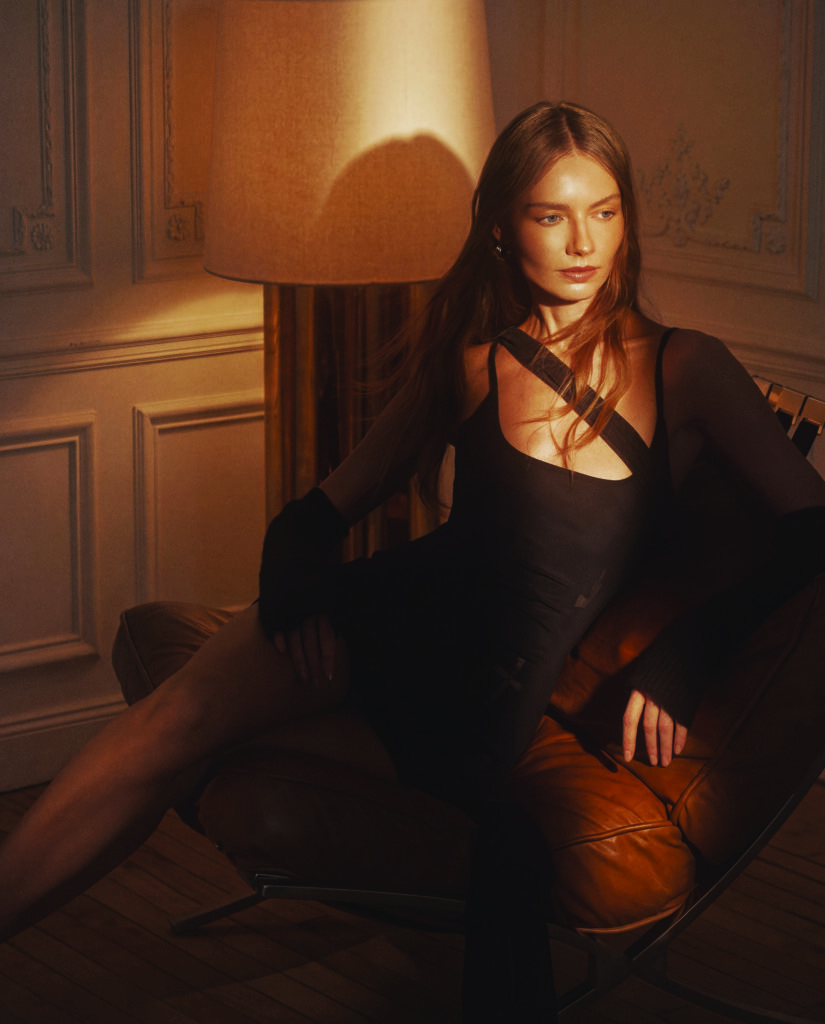
As a child, you were fascinated by a medical encyclopedia, while today you have a deep interest in longevity. Where does this fascination with the body, health, and the idea of extending the quality of our lives come from?
Tali Sabetskaya: I feel like it is natural for anyone to want a longer and healthier life. I was a very bookish kid and, at one point, even ran out of things to read in my school’s library, but I was also fascinated by medicine: how a tiny pill can change the way the whole body works, or how different herbs can have useful effects.
How did your love for animals become such an important part of your life, and how do you support animal causes today?
Tali Sabetskaya: Animals have a silent mystery to them that has always drawn me in. I remember vividly the uneasy feeling I had when the baby crow that I nursed back to health flew off for the final time…
As for animal causes, I have a special place in my heart for the London Wildlife Trust, but the most important thing is to find an honest charity that will use your support well.
You seem to have a very emotional relationship with the things you collect — you’re drawn to objects that feel as though they had a life before you. Do you believe that objects can carry a sense of energy, memory, or personality?
Tali Sabetskaya: I do, but every piece is unique, and I try never to overthink it. When an item connects with me through storytelling or emotional imagery, that is often enough. The memory is always in the details: the leather’s patina, the crazing of ceramics. I enjoy remembering or just imagining the events and feelings that these objects were a part of.
My latest find and obsession is Aki Kutayama’s ceramics, especially her pieces that emulate the textures and appearance of wood. The recreation of nature’s complexity and energy with human hands, and the intricate skill that it takes, make these pieces very special to me.
What is it about cinema and visual storytelling that has captivated you since childhood, and how do atmosphere, light, emotion, and narrative shape the way you see the world?
Tali Sabetskaya: Images and feelings have a much easier path into my memory than facts and figures. I often remember how the sky looked on a particular day, its colours, shadows, and what I felt when looking at it. I have a soft spot for the Golden Age of Hollywood, as well as some old Italian and French films: the emotional storytelling and visual elegance have always connected with me.
Some scenes I can recall in detail, for reasons I couldn’t put into words.
Editor-in-Chief: Petar Janošević
Team:
Photography: Caleb & Gladys
Style: Dylan Wayne
Model: Tali Sabetskaya, Bounty Models Agency
Makeup: Ann Benjamas, Dior Beauty
Hair: Ty Shearn, Sophter
Photographer’s Assistants: Jimmy Yang and Yutong
PR: Valentina Gurova, Aliyans Media Group