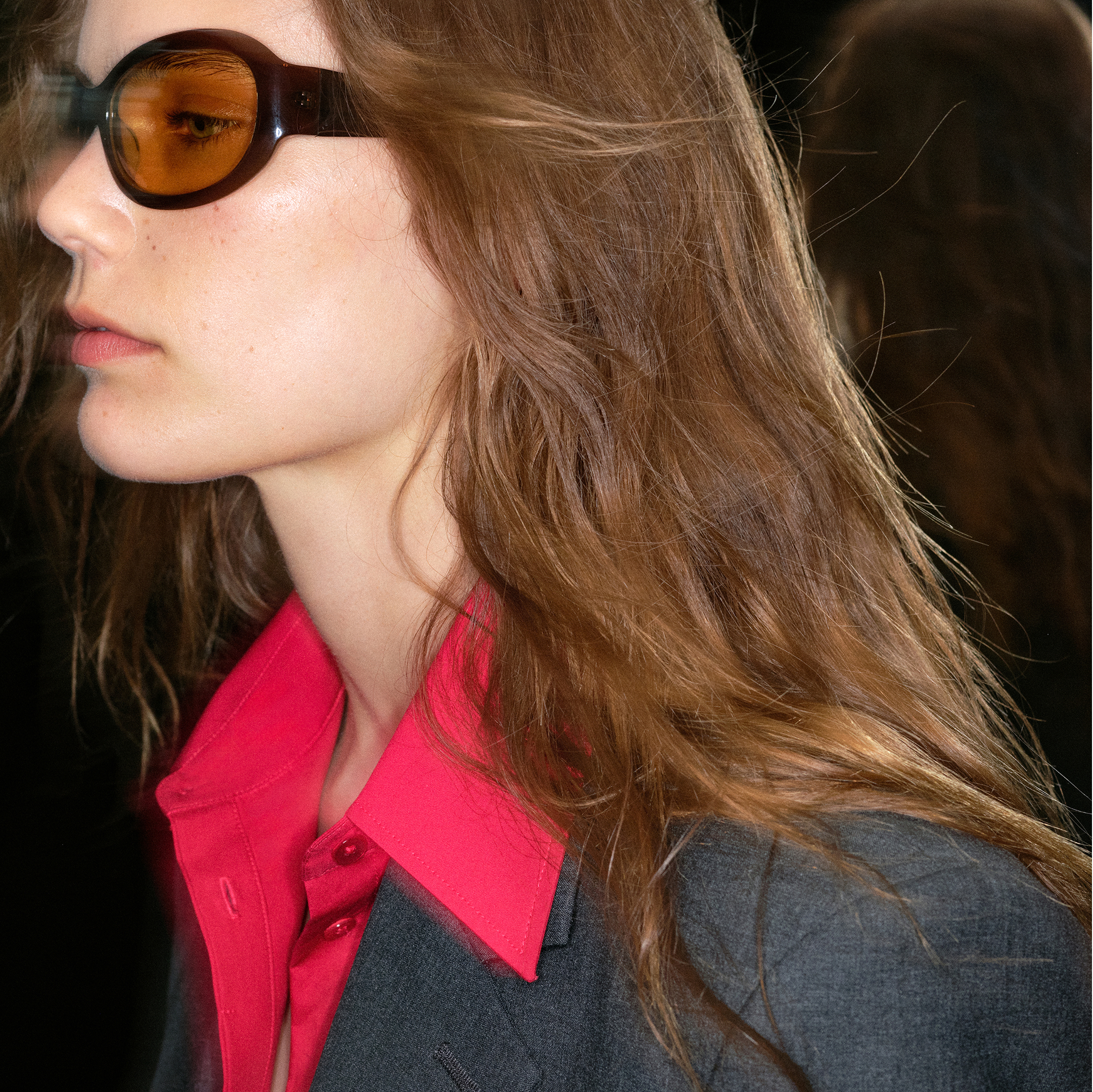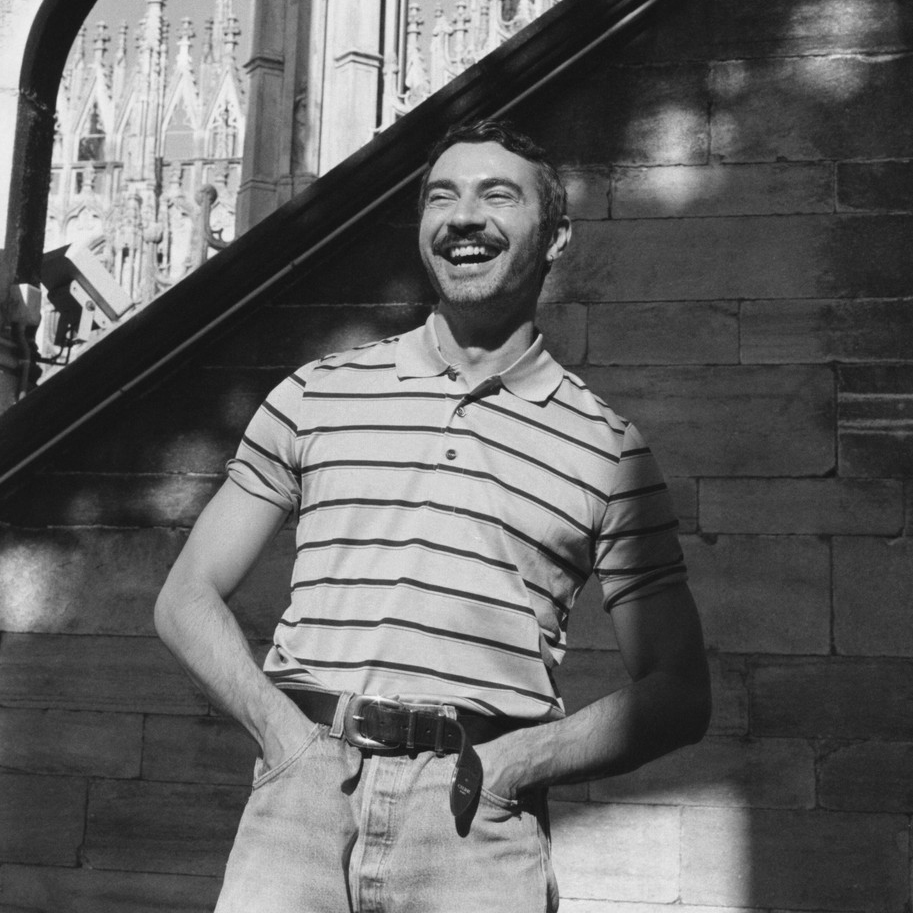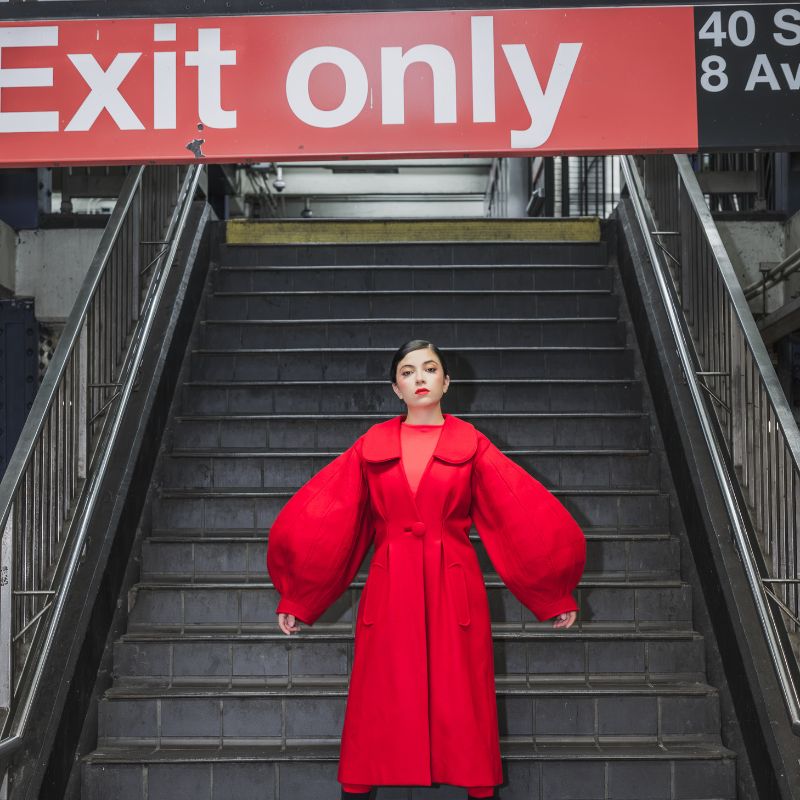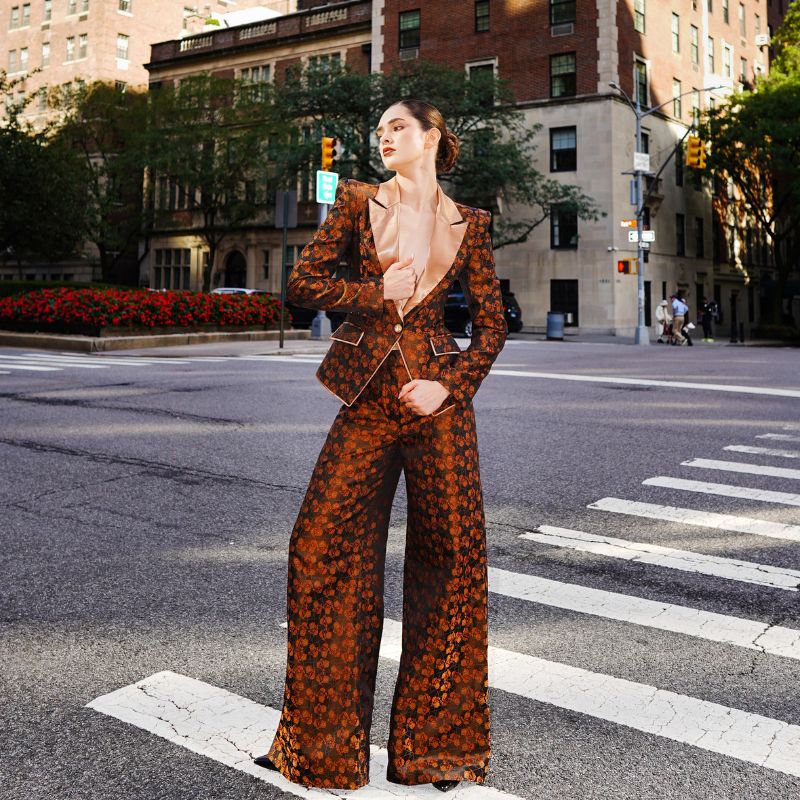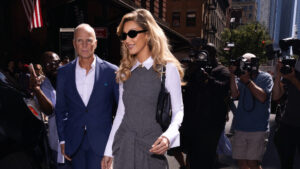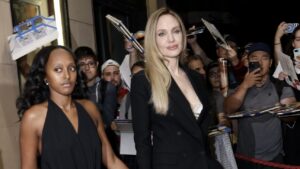

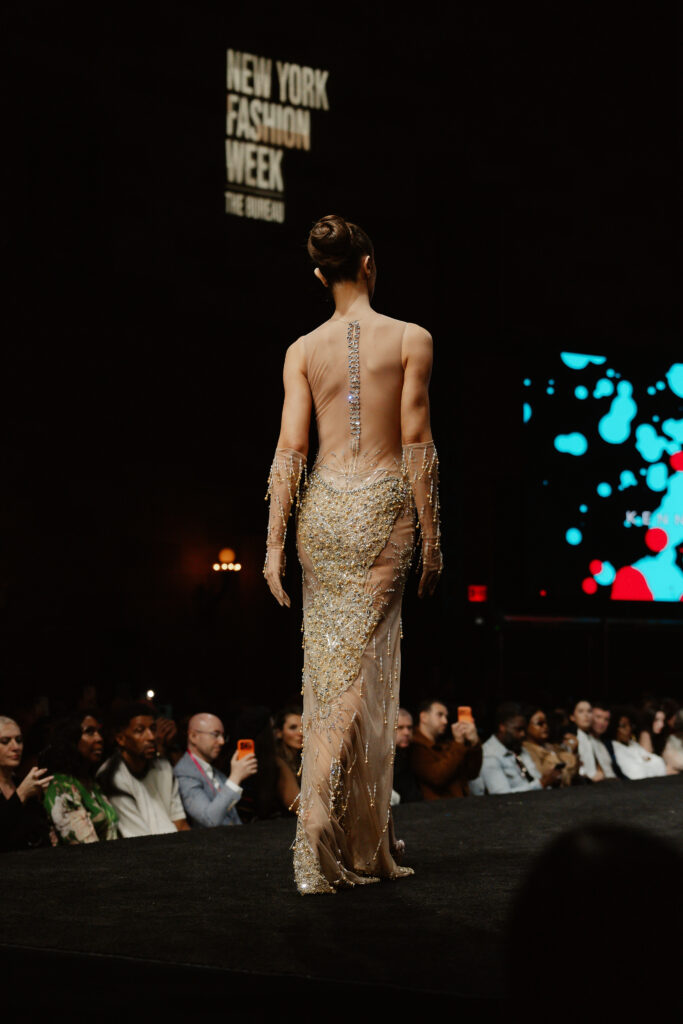
Generacijama se Nedelja mode nije definisala samo onim što se dešava na pisti, već i time ko ima pravo da sedi pored nje. Dok se The Bureau Fashion Week priprema za svoje sezone u Njujorku, Parizu i Los Anđelesu, osnivači Brady i Krissy King dovode u pitanje jednu od najstarijih tradicija modne industrije i poručuju da sledeće poglavlje mode zahteva više prostora za sve.
Gotovo čitav vek, jedan od najmoćnijih simbola Fashion Week-a nije bila haljina, tašna niti par cipela.
Bila je to stolica. Ko je dobija. Gde sedi. Ko odlučuje. I, možda najvažnije, ko ostaje izvan prostorije.
Prvi red je vremenom postao zaseban modni ekosistem, u kojem su pozivnice predstavljale status, dok su rasporedi sedenja gotovo neprimetno oslikavali hijerarhiju modne industrije.
The Bureau Fashion Week izgradio je svoju sve veću platformu upravo oko drugačije ideje: možda najvrednija osoba u prostoriji nije nužno ona koja je oduvek bila pozivana. Možda je to osoba koja zaista želi da bude tamo.
„Fashion Week zapravo nikada nije bio pun“, kaže Brady King, producent i suosnivač The Bureau Fashion Week-a. „Iste prostorije bile su pune istih ljudi. To je razlika.“
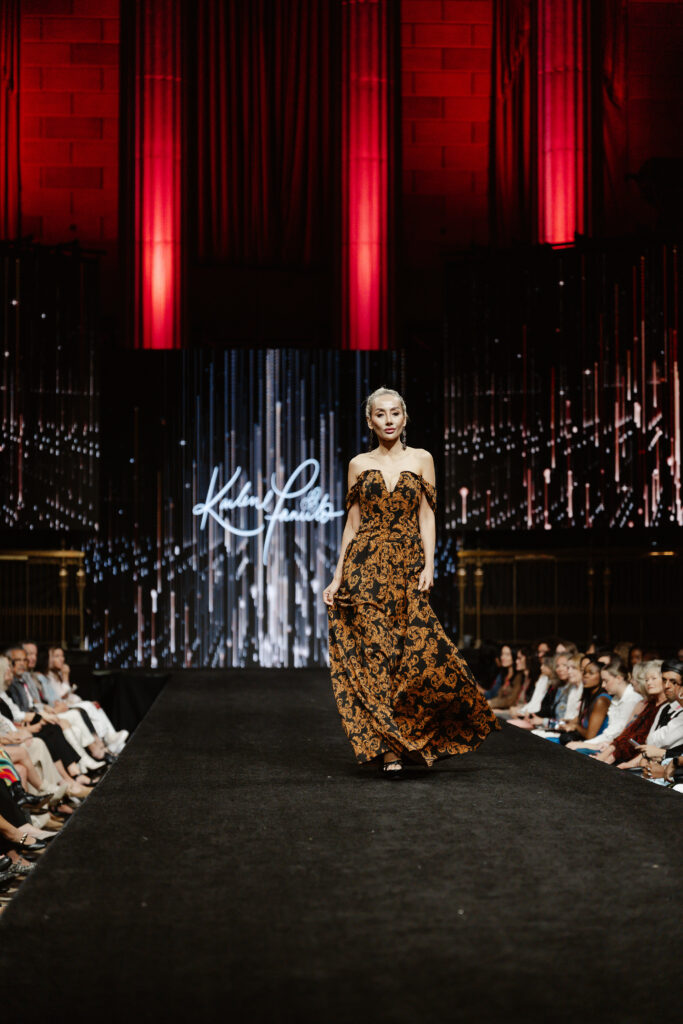
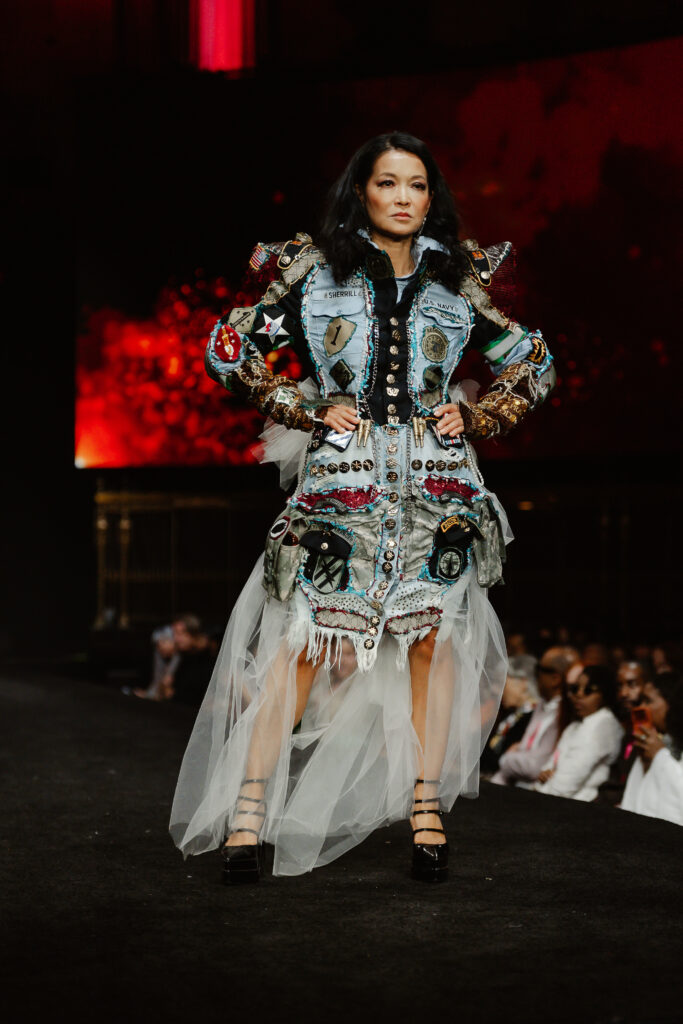
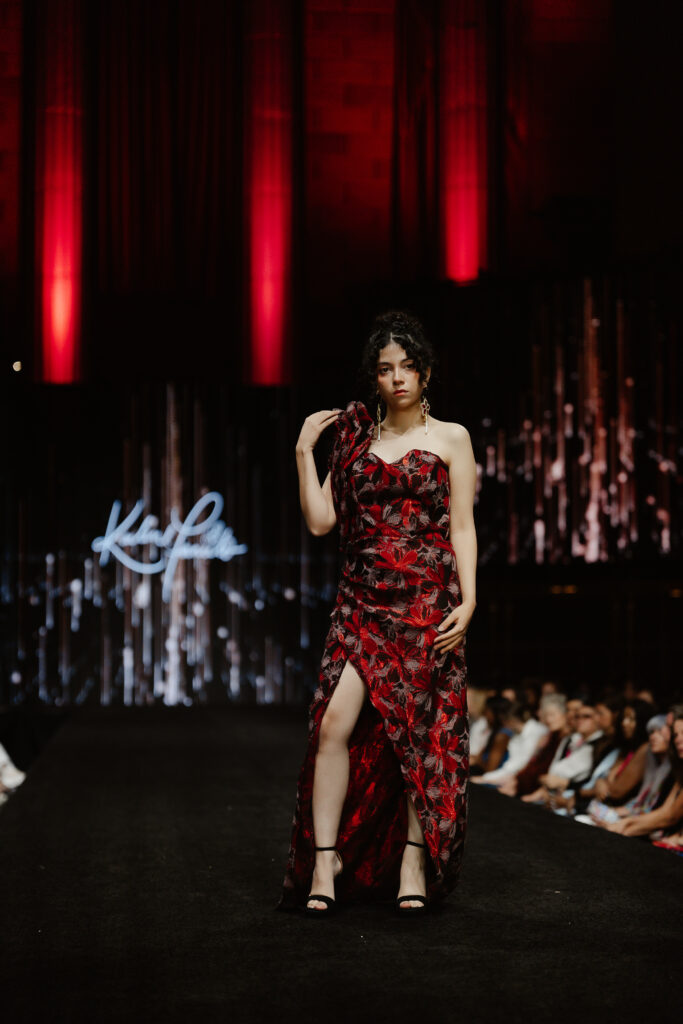
Drugačiji način da zaslužite svoje mesto
The Bureau organizuje Fashion Week programe u Njujorku, Parizu i Los Anđelesu, predstavlja stotine dizajnera, dok njegovi događaji, prema navodima organizacije, okupljaju između 12.000 i 15.000 ljudi uživo po događaju i dopiru do miliona ljudi putem digitalnih kanala.
Njihov pristup dostupnosti neuobičajen je za industriju koja se tradicionalno u velikoj meri oslanja na liste gostiju: The Bureau prodaje ulaznice za svoje revije, uključujući i mesta u prvom redu.
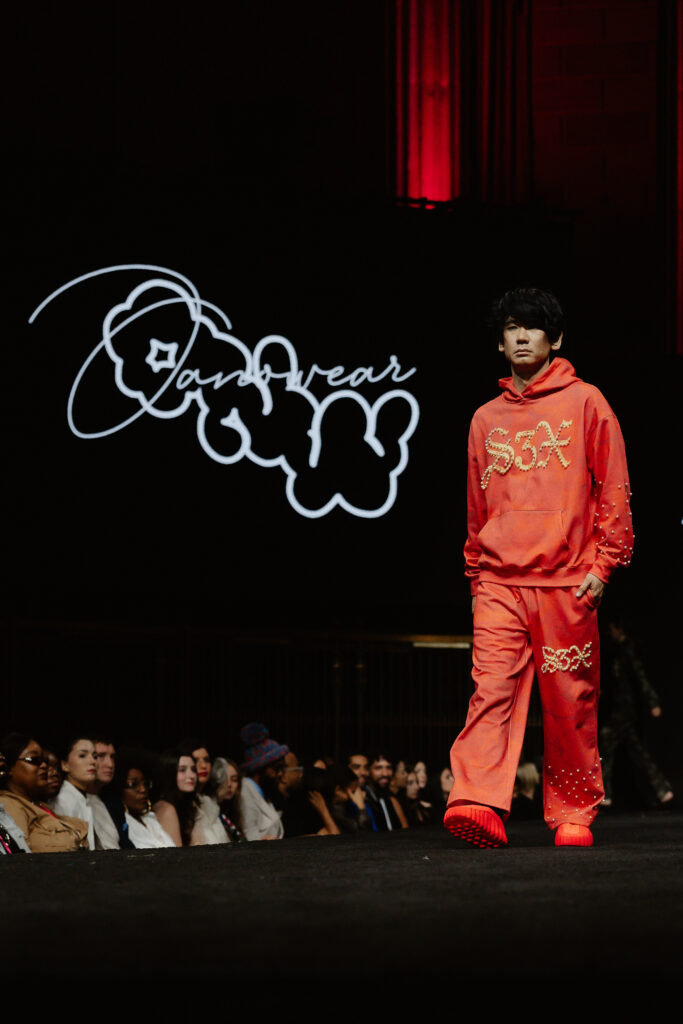
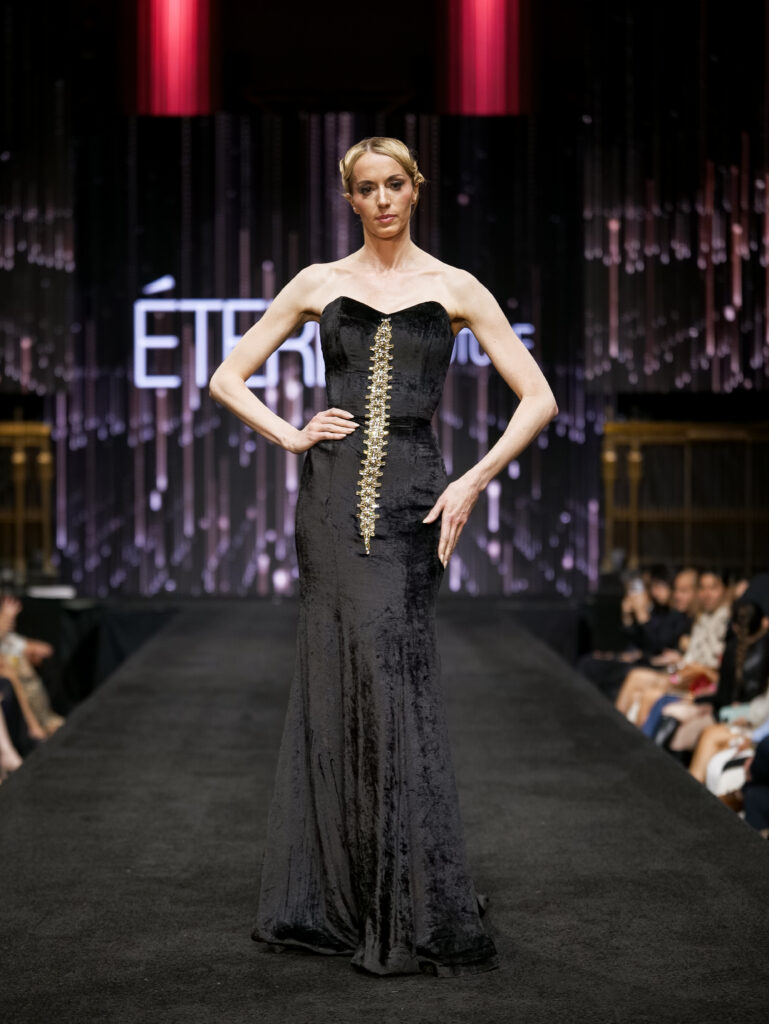
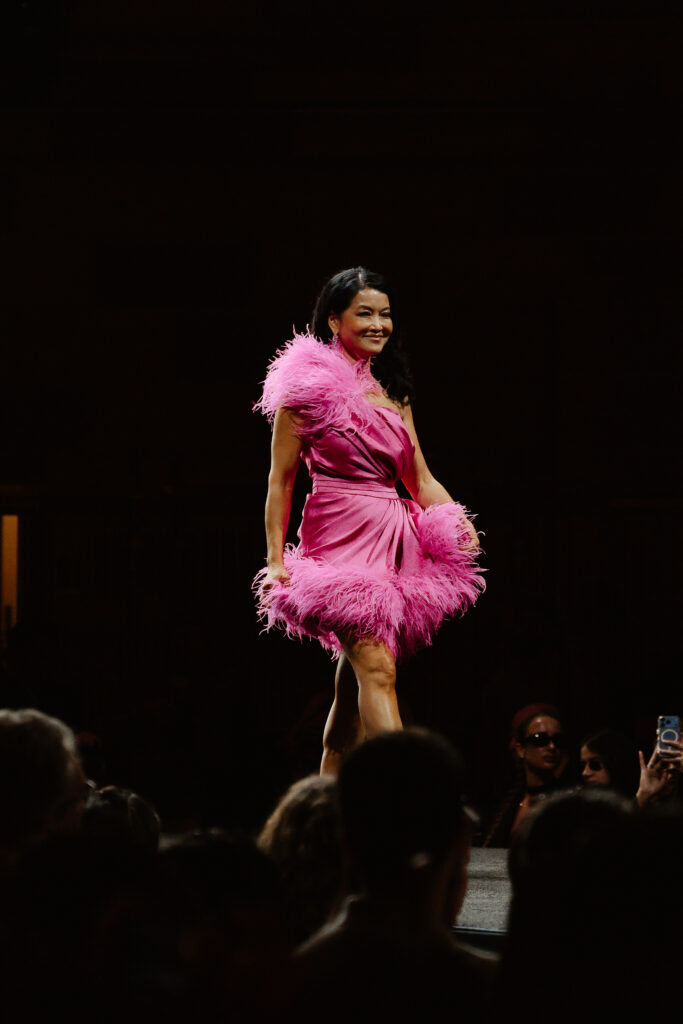
Za Kinga, razlika je u nameri. „Lista gostiju govori o tome koga poznajete. Kupljena karta govori o tome da li ćete se pojaviti“, kaže on. „Dizajneri osećaju tu razliku dok su na pisti.“
Umesto da ukinu prestiž prisustva na Fashion Week-u, The Bureau pokušava da redefiniše odakle taj prestiž dolazi.
Vrednost nije samo u tome što ste odabrani da uđete u prostoriju. Vrednost je i u tome što ste sami izabrali da budete tamo.
Prostorija izgrađena oko dizajnera
Ova filozofija posebno dobija na značaju kada je reč o nezavisnim i mladim dizajnerima, koji čine značajan deo programa revija The Bureau-a.
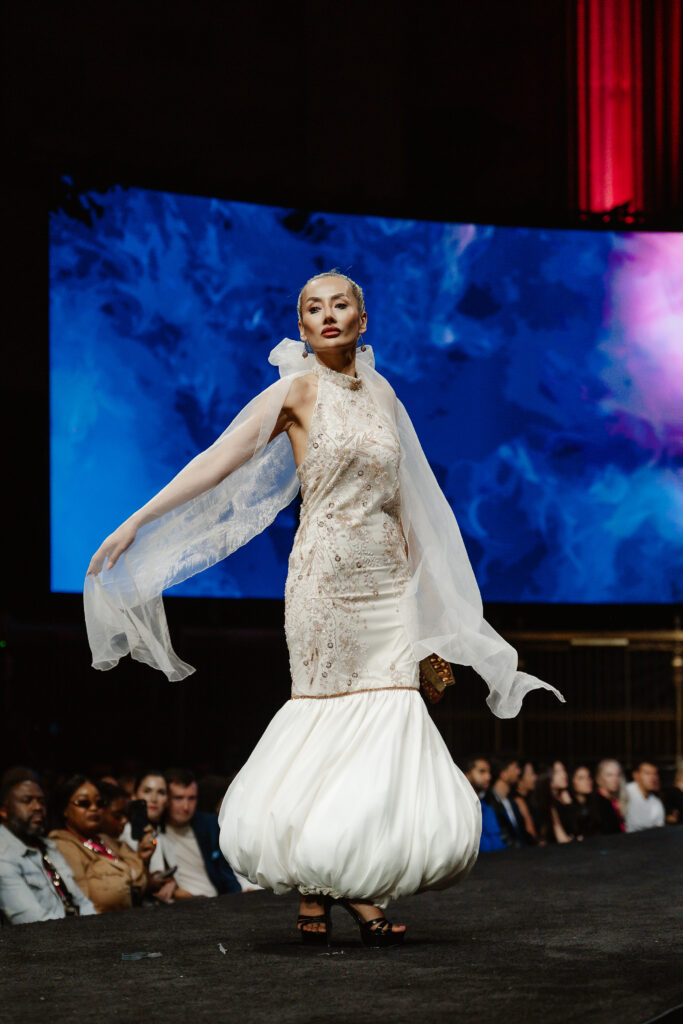
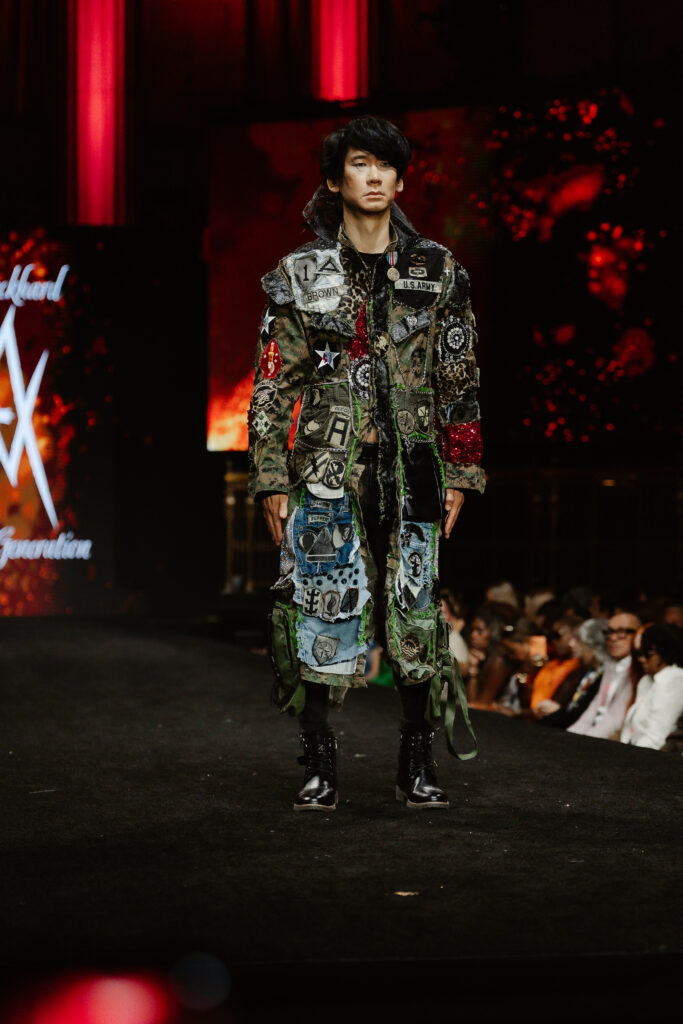
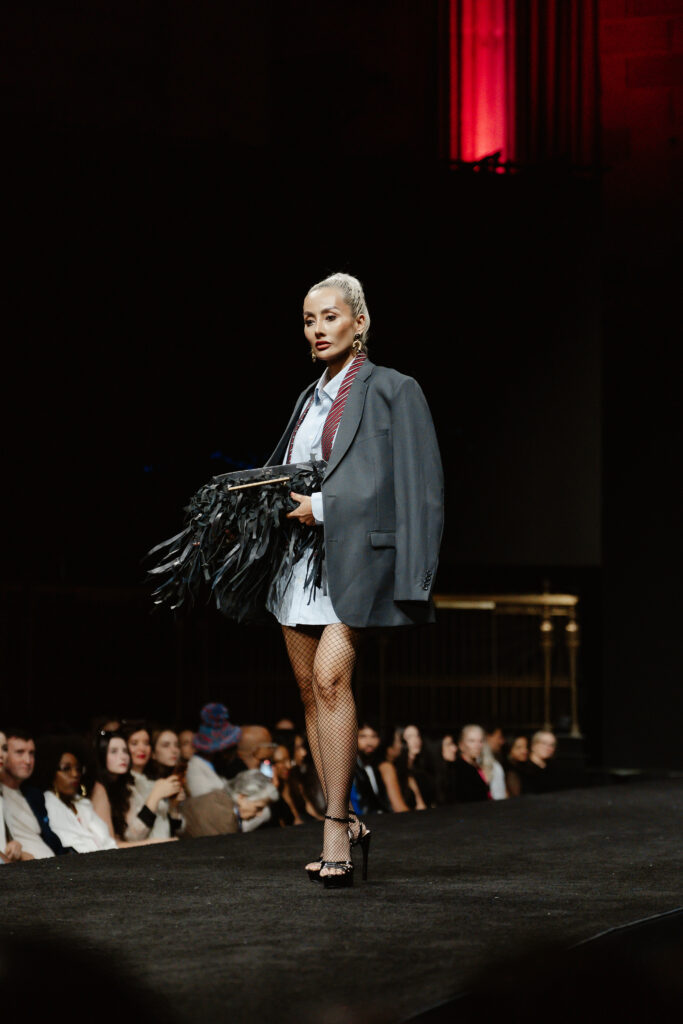
„Svake sezone vidimo stotine dizajnera“, kaže Krissy King, suosnivačica The Bureau Fashion Week-a. „Talenta nikada nije nedostajalo… ono čega je nedostajalo bila je pista. To je deo koji smo rešili.“
Za dizajnera koji nema podršku velikog luksuznog konglomerata, pristup publici koja je zaista zainteresovana može biti jednako važan kao i sama revija.
Hiljade posetilaca koji fotografišu kolekcije, snimaju završne izlaske dizajnera, dele modne kombinacije i označavaju dizajnere mogu da pretvore jednu Fashion Week prezentaciju u nešto mnogo veće od nekoliko minuta koje kolekcija provede na pisti.
„Dizajneru nije potrebna dozvola da bi bio važan“, kaže Brady King. „Potrebni su mu pista, publika koja će doći i sadržaj koji će nastaviti da se širi.“
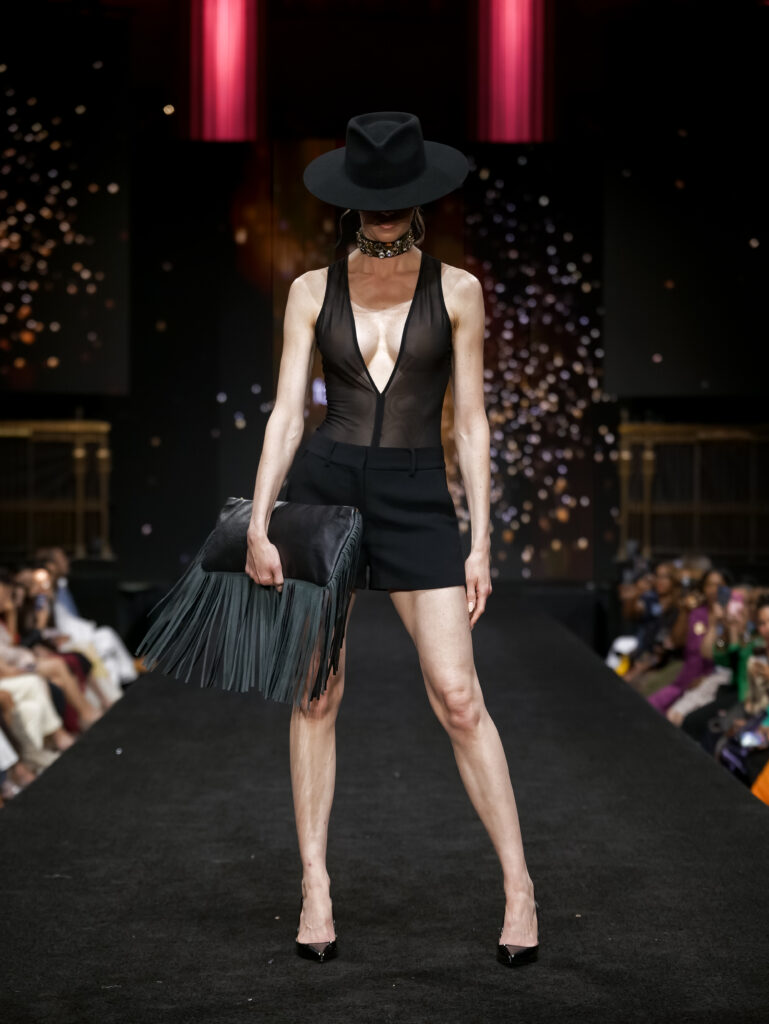
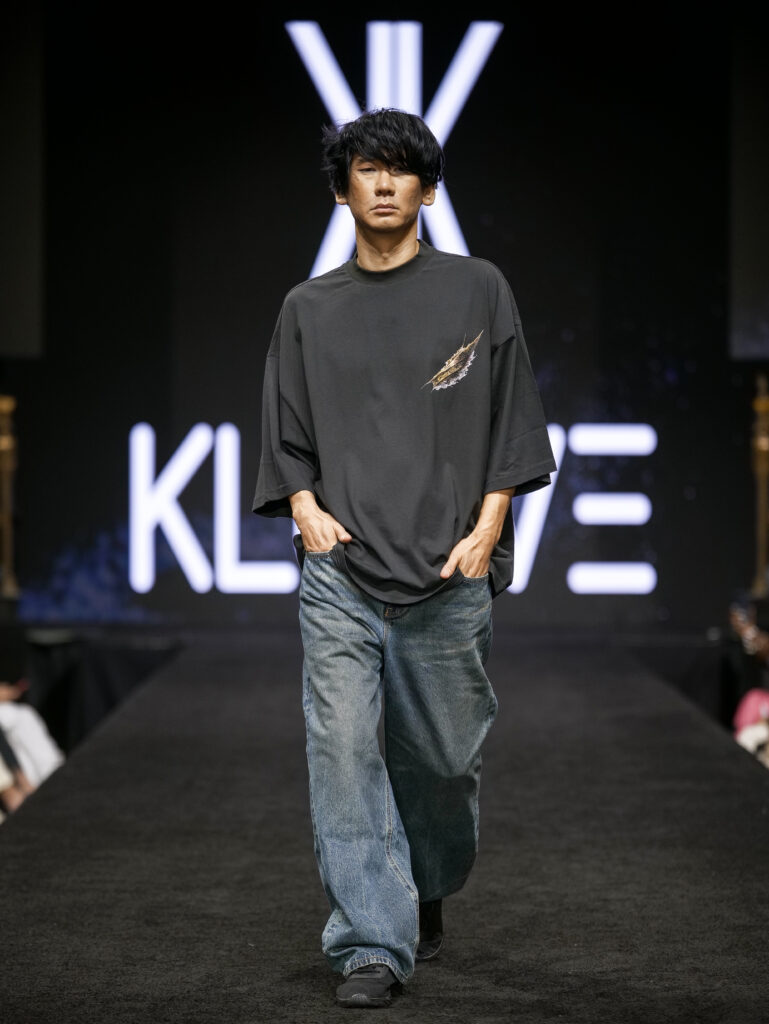
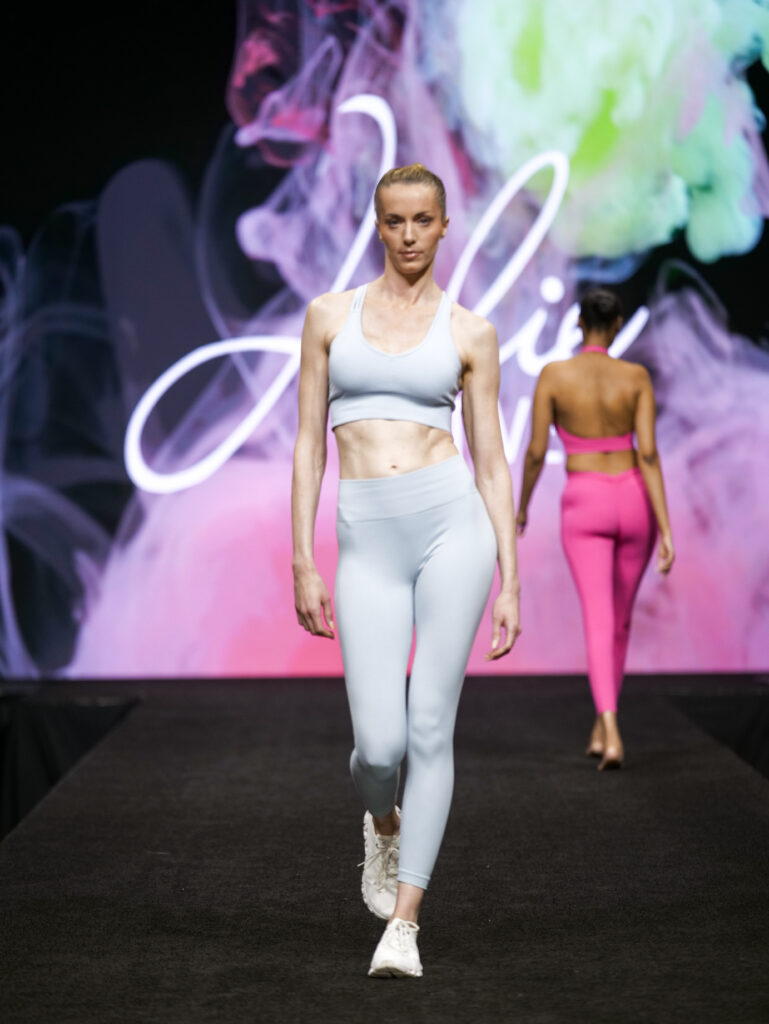
Njujork, zatim Pariz i Los Anđeles
Ova filozofija biće posebno vidljiva tokom njujorške sezone The Bureau Fashion Week-a, od 11. do 13. septembra.
Društveni program započeće događajem The Rose Ball u Gotham Hall-u, proslavom koja će se održati nakon ponoći, uz nastup grupe Ying Yang Twins i dress code pod nazivom „black tie meets full bloom“ — spoj formalnog stila crne kravate i raskošne cvetne estetike.
„Kada gledate dizajnera kako izlazi na svoju prvu završnu šetnju u Njujorku“, kaže Krissy King, „shvatite tačno zašto ova prostorija mora da postoji.“
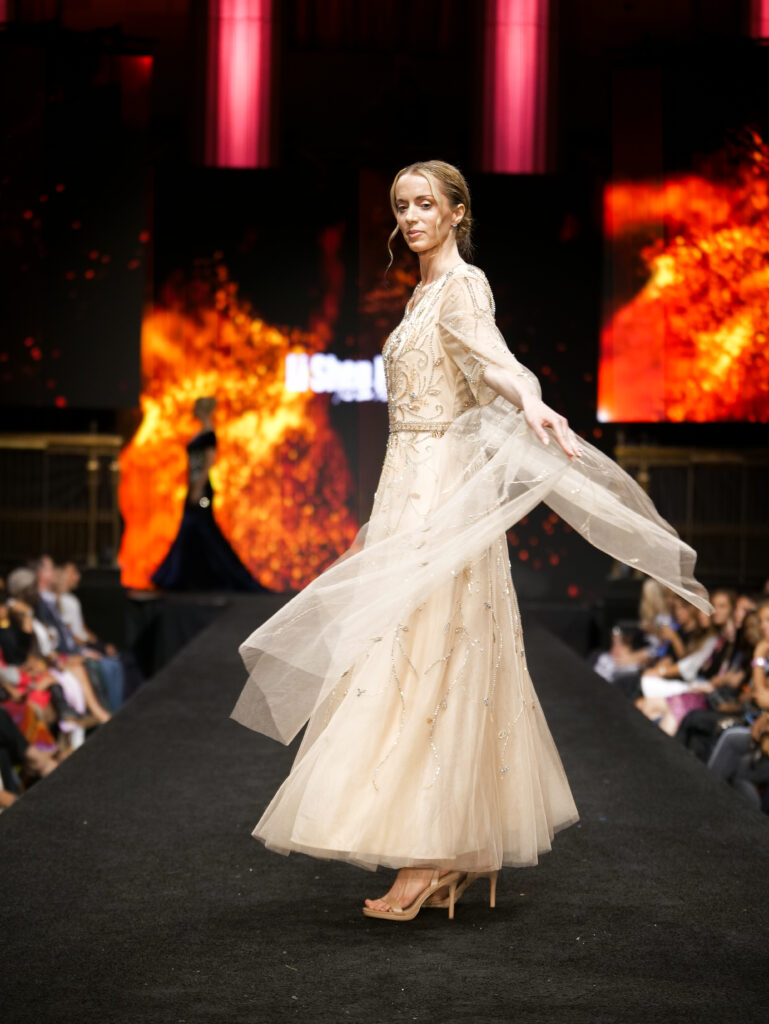
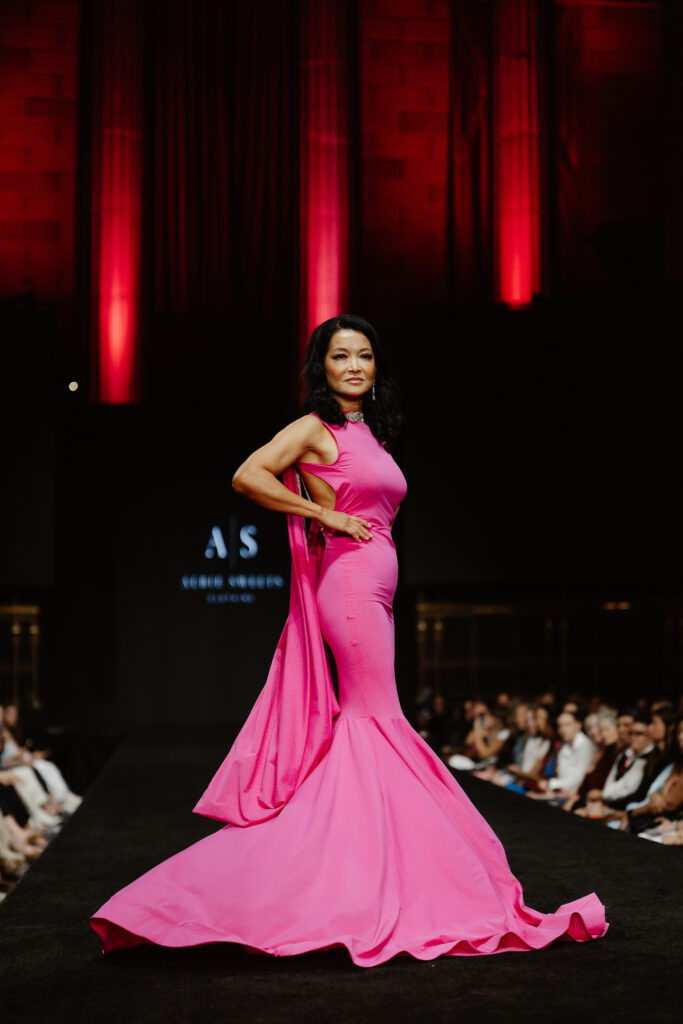
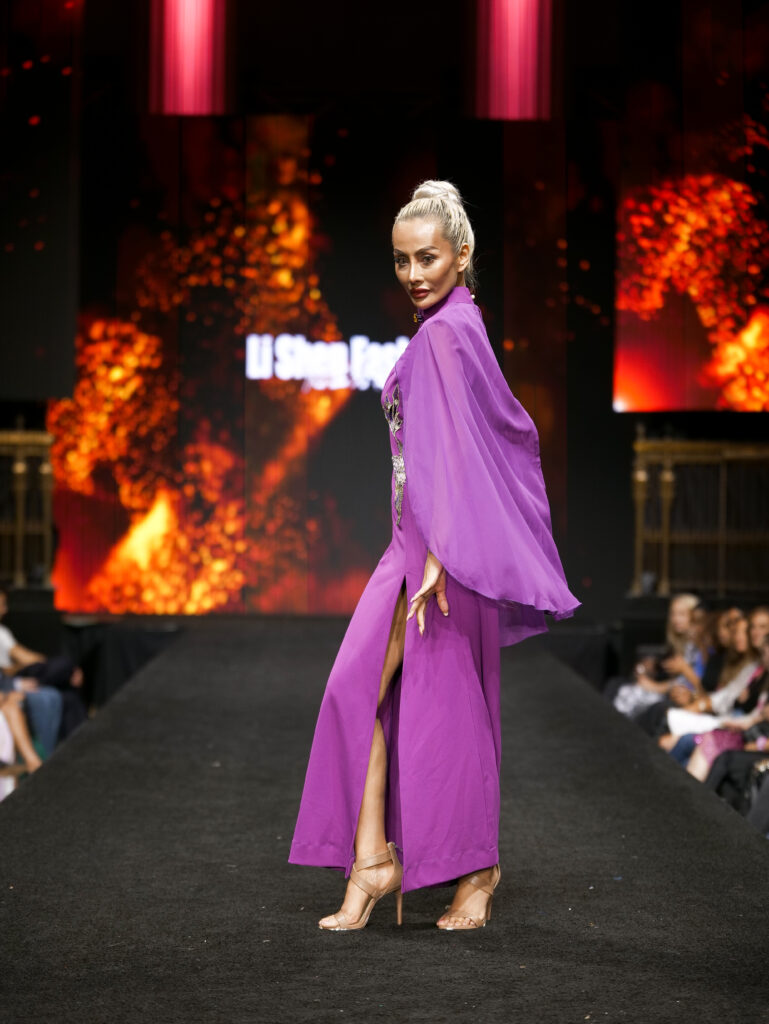
Iz Njujorka, The Bureau odlazi u Pariz, gde će svoje revije održati u prostoru Espace Cléry od 1. do 3. oktobra, a zatim nastavlja za Los Anđeles, od 16. do 18. oktobra.
Tri grada. Šest nedelja. Jedan pristup dostupnosti.
Tokom 2027. godine organizacija planira da dodatno proširi svoj njujorški kalendar, sa sezonama u februaru i septembru.
Ljudi iza The Bureau-a
Iza sve većeg kalendara nalazi se tim koji je zadužen za to da dizajnere i talente provede kroz čitav proces — od prijave do piste.
Pored suosnivača Bradyja i Krissy King, tim The Bureau-a čine Christina Weeks, menadžerka za talente i produkciju iza scene (BOH Production Manager); Kelsey Crews, izvršna asistentkinja i specijalistkinja za sponzorstva; Bryan Herrera, specijalista za uspeh dizajnera; Raney Burnett, specijalista za talente i produkciju; i Amber Wheeler, rukovoditeljka za frizuru i šminku tokom NYFW-a.
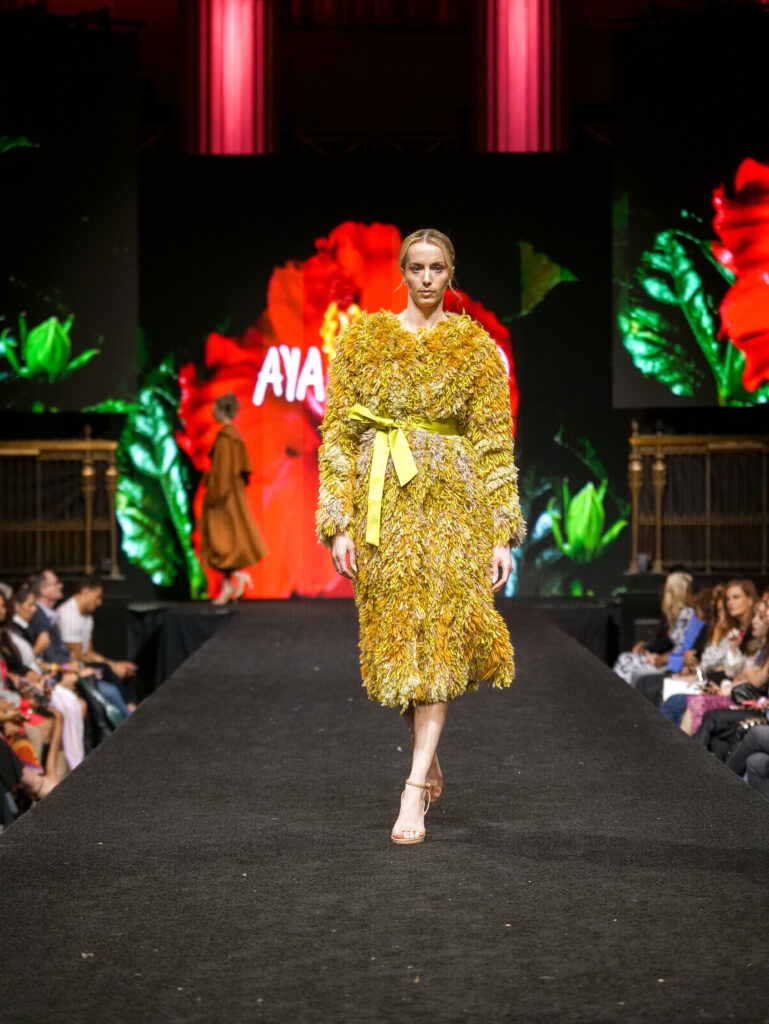
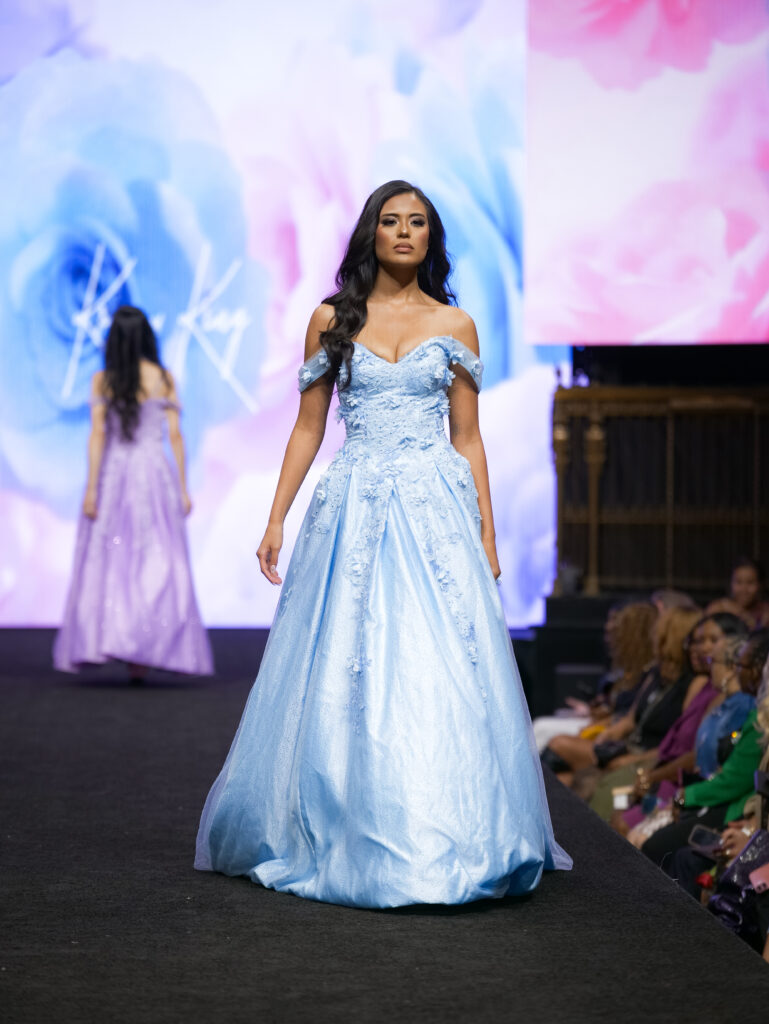
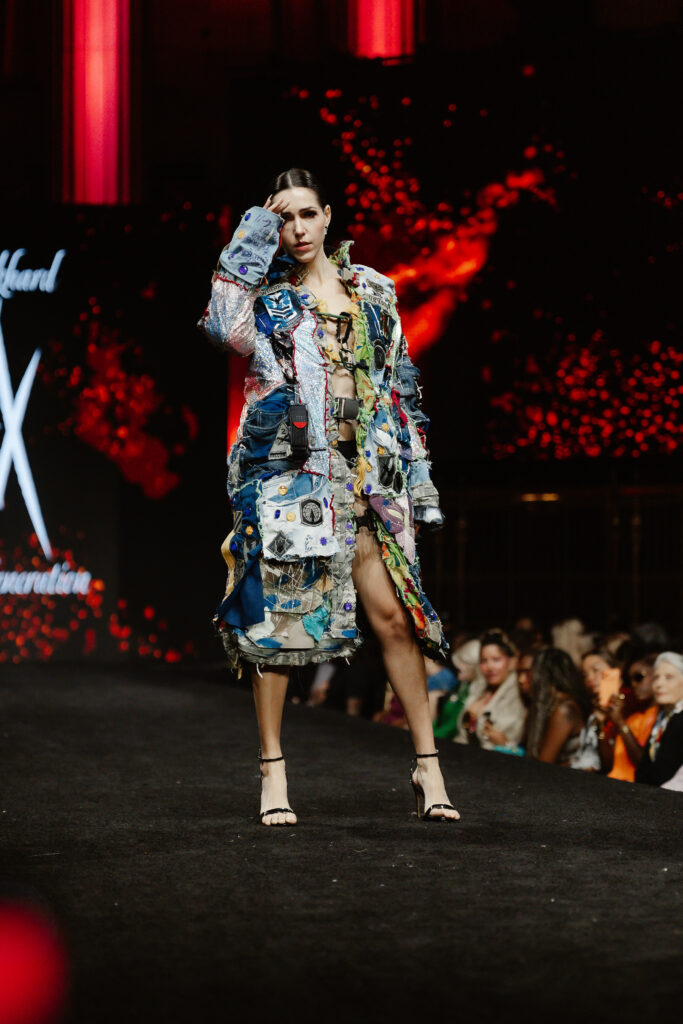
Tim za odnose sa dizajnerima čine Chris Callahan, Nik Armstrong, koji je njegov rukovodilac, Reece Wilson i Emily Cleveland.
Zajedno, ovaj tim gradi organizaciju oko ideje da širenje pristupa ne mora da umanji značaj Fashion Week-a. Naprotiv, ono može industriji da predstavi ljude, dizajnere i perspektive do kojih tradicionalni sistem možda nikada ne bi došao.
Novi prvi red
Moda je oduvek razumela moć oskudice. Ali oskudica i relevantnost nisu nužno ista stvar.
Eksperiment The Bureau-a postavlja pitanje šta se događa kada se deo energije koja se tradicionalno trošila na odlučivanje o tome ko treba da bude isključen preusmeri na stvaranje prostora u koji ljudi zaista žele da dođu.
„Ne rušimo prvi red“, kaže Brady King. „Samo odbijamo da se pretvaramo da postoji samo jedan.“
I možda je upravo to zanimljivije pitanje koje se postavlja pred još jednu sezonu Fashion Week-a.
Ne samo ko dobija najbolje mesto, već ko dobija priliku da bude u prostoriji kada počinje sledeće poglavlje mode.
English here:
The New Front Row: How The Bureau Fashion Week Is Rewriting Who Gets a Seat
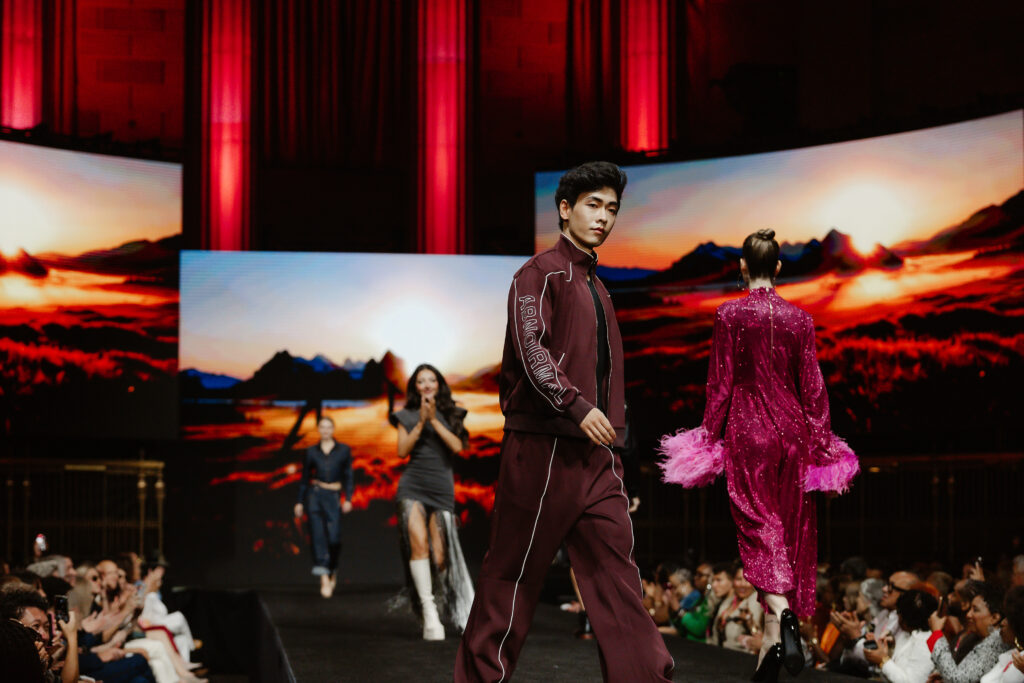
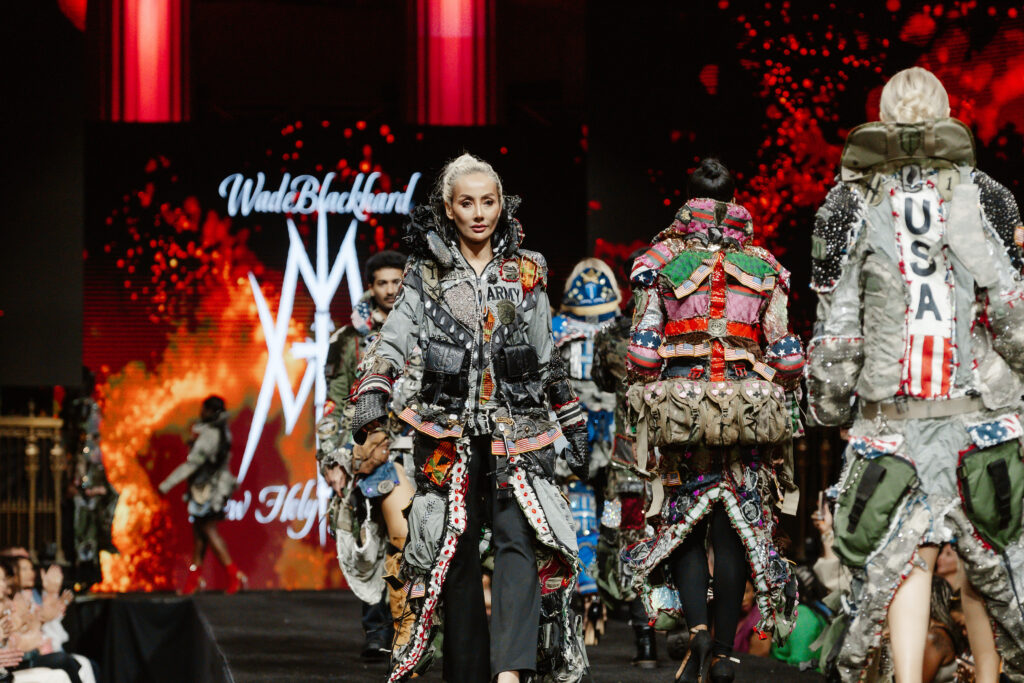
For generations, Fashion Week has been defined not only by what happens on the runway, but by who is allowed to sit beside it. As The Bureau Fashion Week prepares for seasons in New York, Paris and Los Angeles, founders Brady and Krissy King are challenging one of the industry’s oldest traditions and arguing that fashion’s next chapter needs a bigger room.
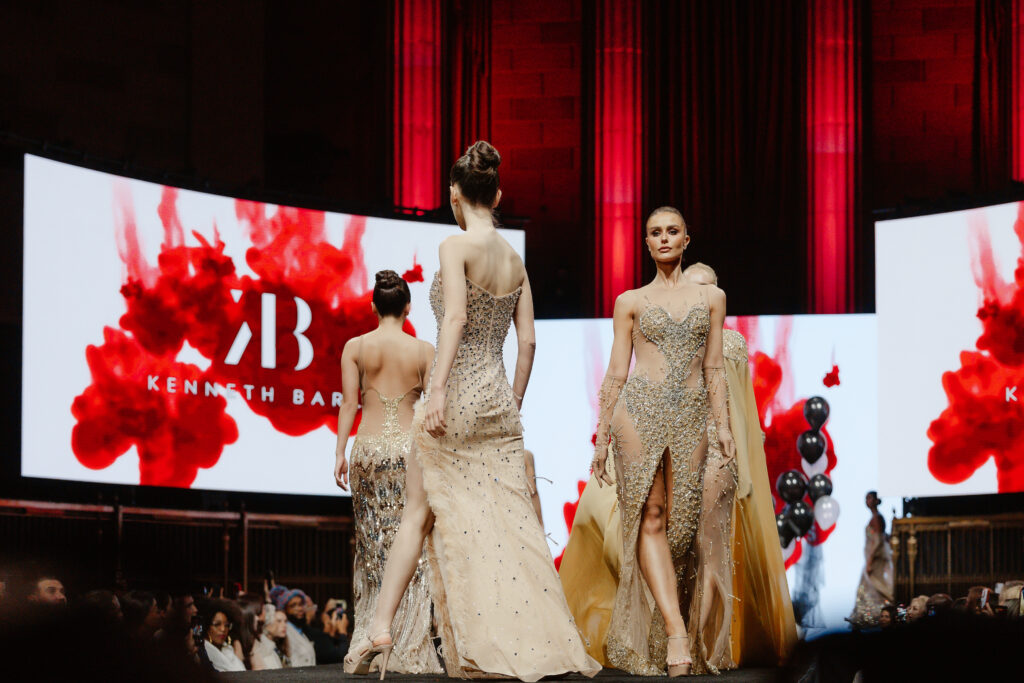
For nearly a century, one of Fashion Week’s most powerful symbols hasn’t been a dress, handbag or pair of shoes.
It’s been the seat.
Who receives one. Where they’re placed. Who decides. And, perhaps most importantly, who is left outside.
The front row became its own fashion ecosystem, where invitations signaled status and seating charts quietly mapped the industry’s hierarchy.
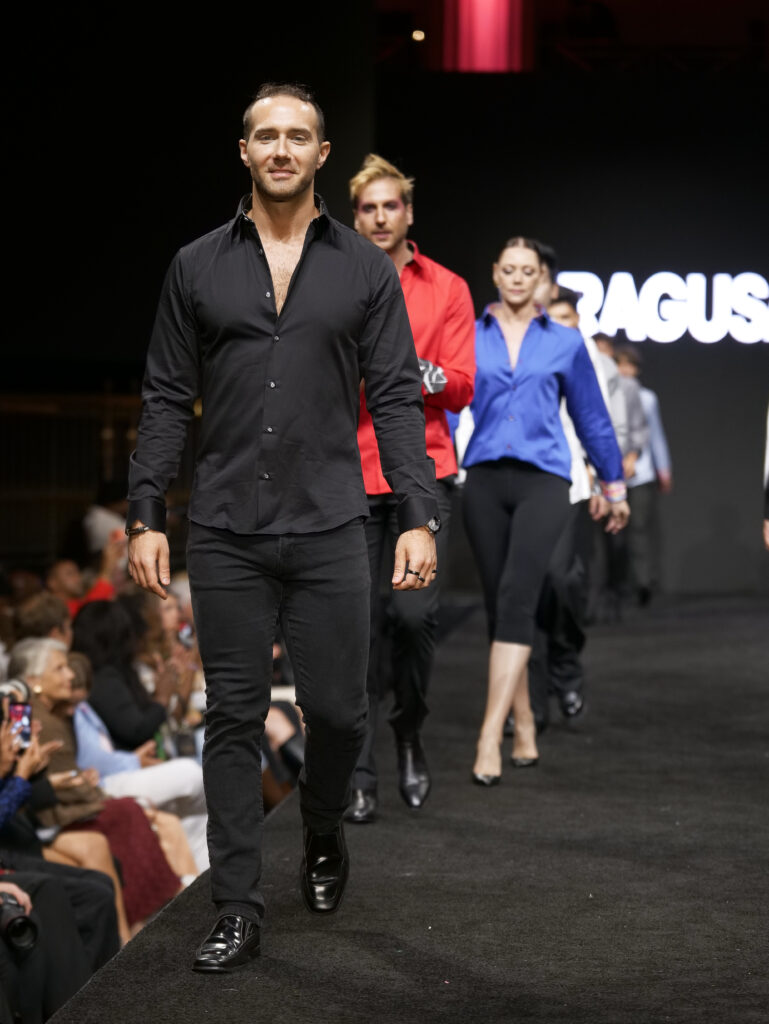
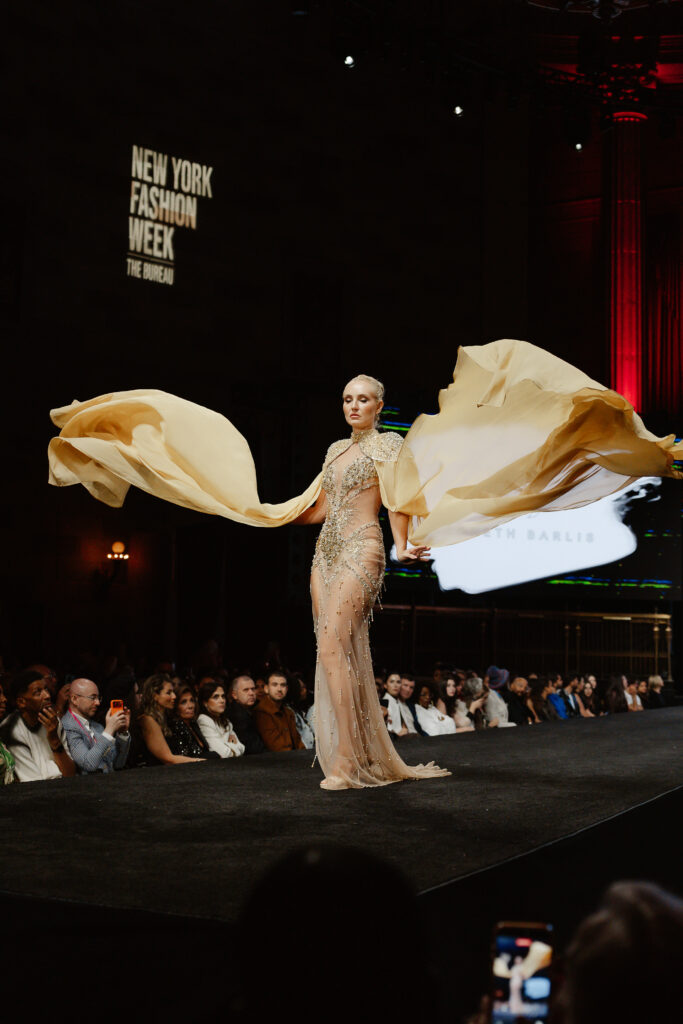
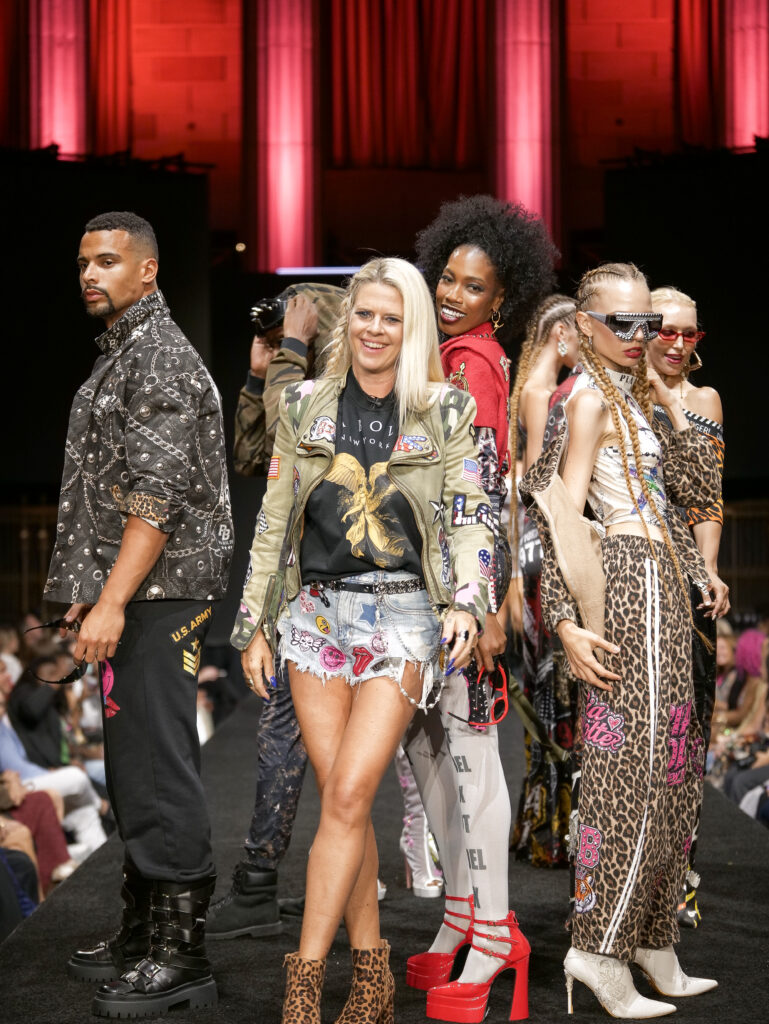
The Bureau Fashion Week has built its growing runway platform around a different idea: perhaps the most valuable person in the room isn’t necessarily the one who has always been invited. Perhaps it’s the one who genuinely wants to be there.
“Fashion week was never actually full,” says Brady King, producer and co-founder of The Bureau Fashion Week. “The rooms were full of the same people. There’s a difference.”
A Different Way to Earn the Seat
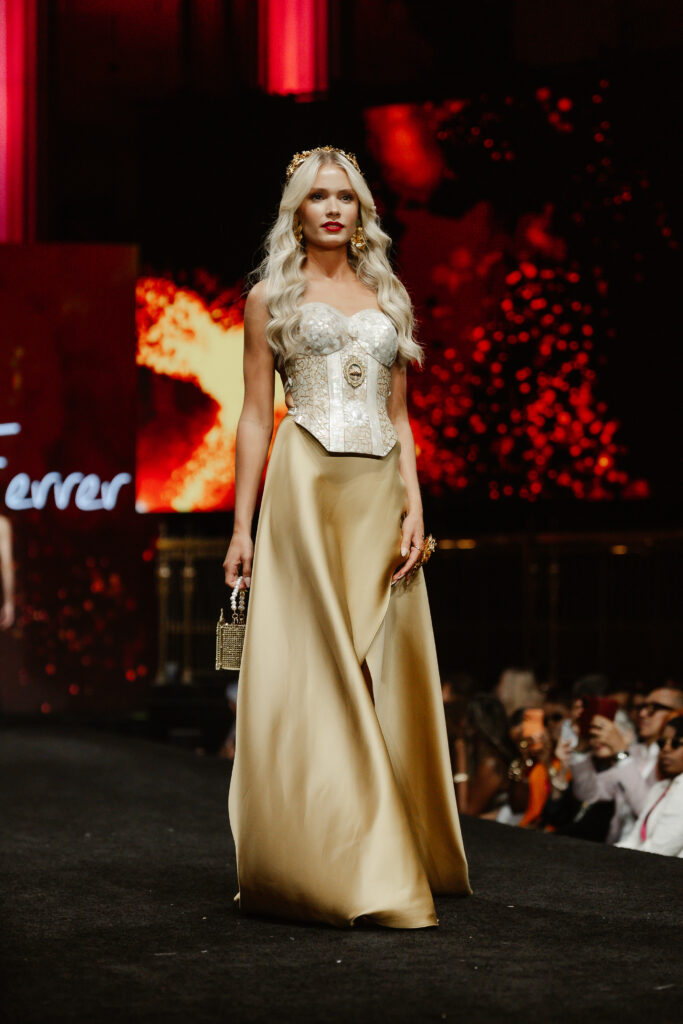
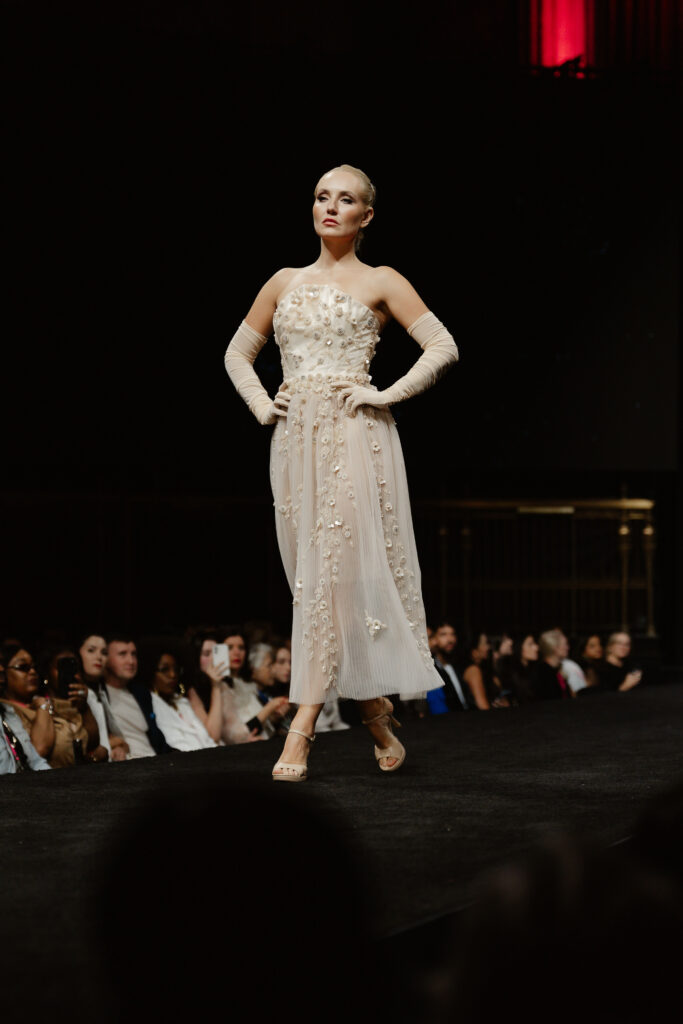
The Bureau produces Fashion Week programming across New York, Paris and Los Angeles, presenting hundreds of designers while welcoming reported in-person audiences of approximately 12,000 to 15,000 people per event and reaching millions more digitally.
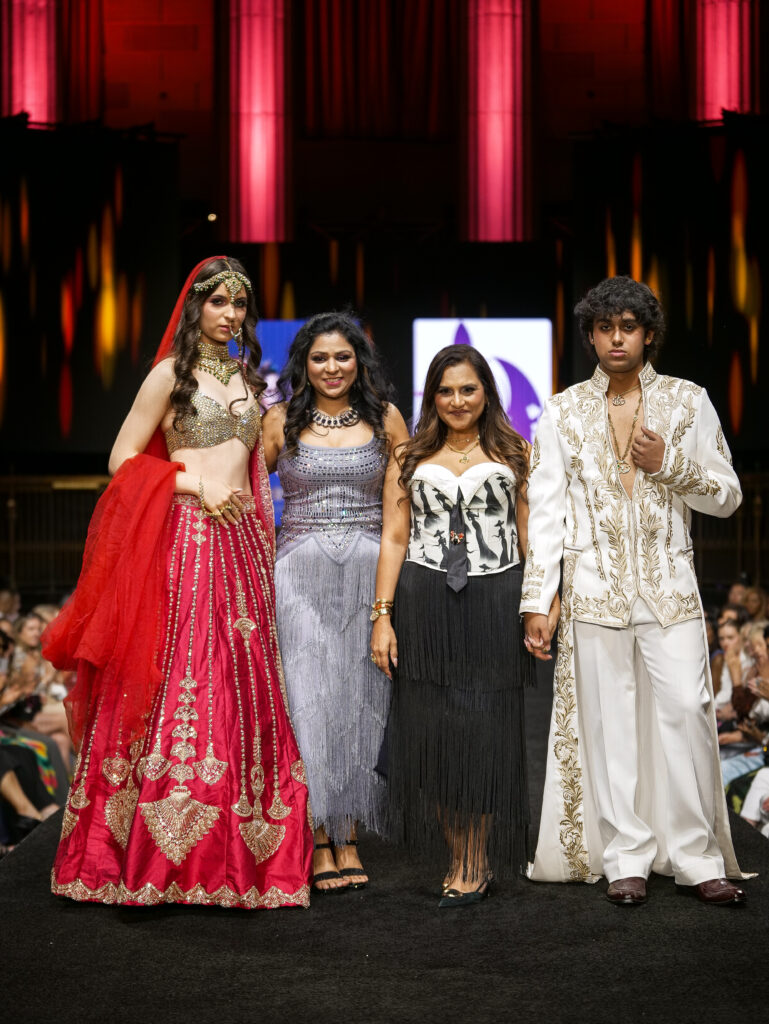
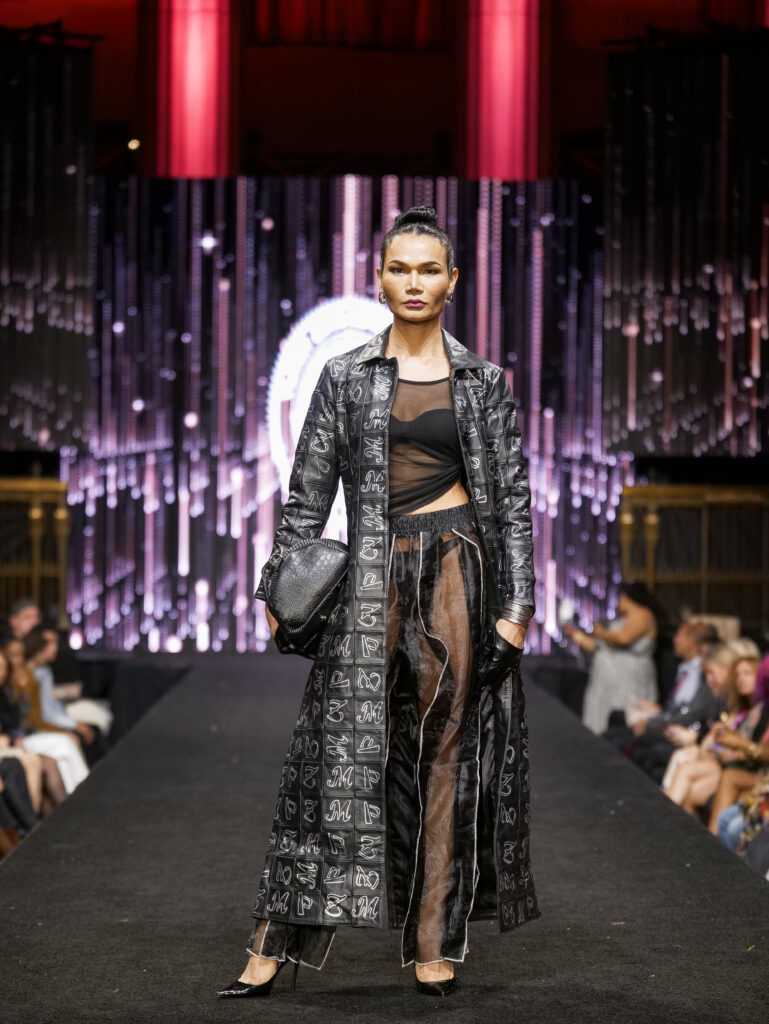
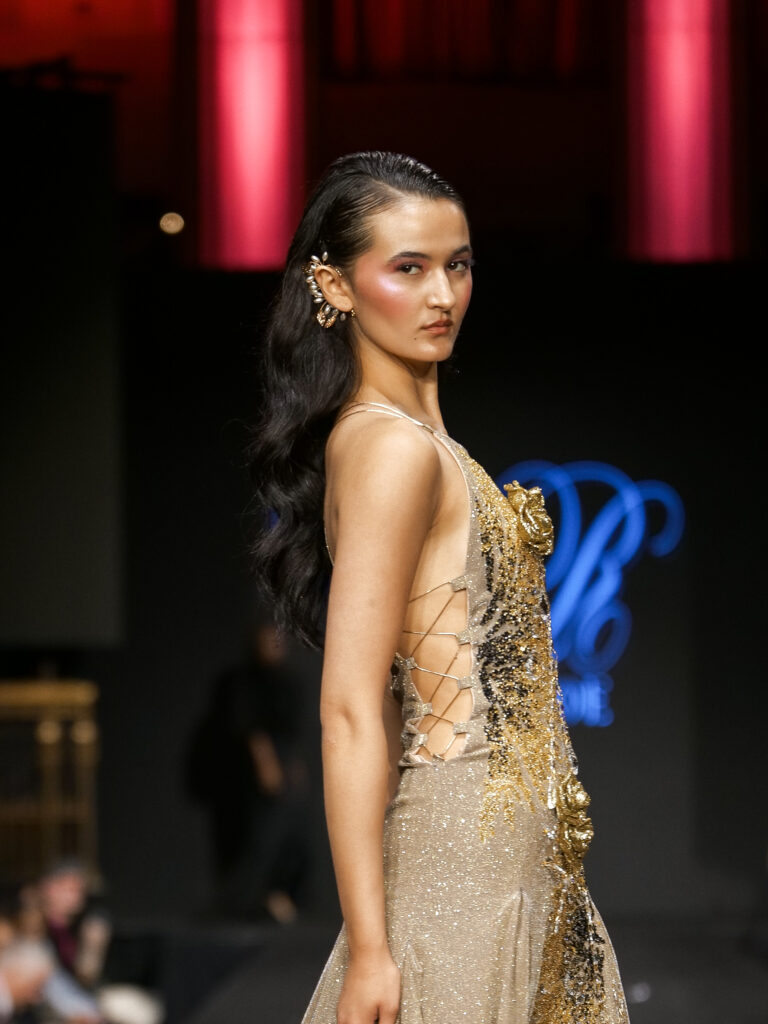
Its approach to access is unusual within an industry built heavily around invitation lists: The Bureau tickets its shows including its front row.
For King, the distinction is about intent.
“A comp list measures who you know. A ticket measures whether you’ll show up,” he says. “Designers can feel the difference from the runway.”
Instead of eliminating the prestige of attending Fashion Week, The Bureau is attempting to redefine where that prestige comes from.
The value isn’t simply in being selected to enter the room. It’s in choosing to enter it.
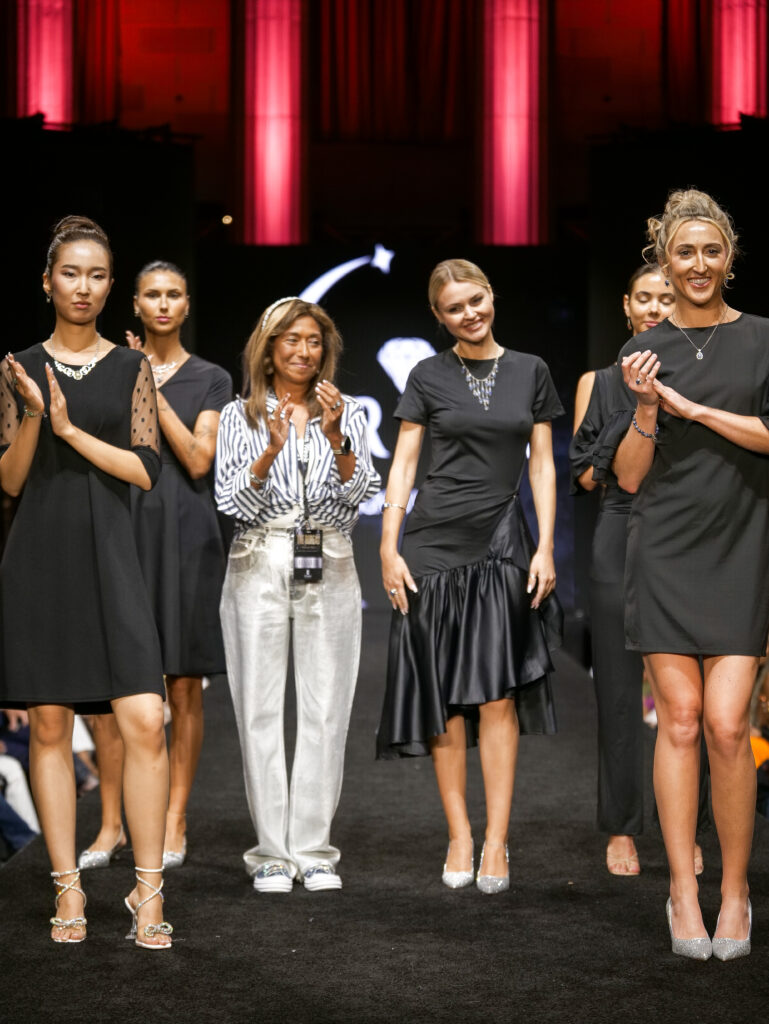
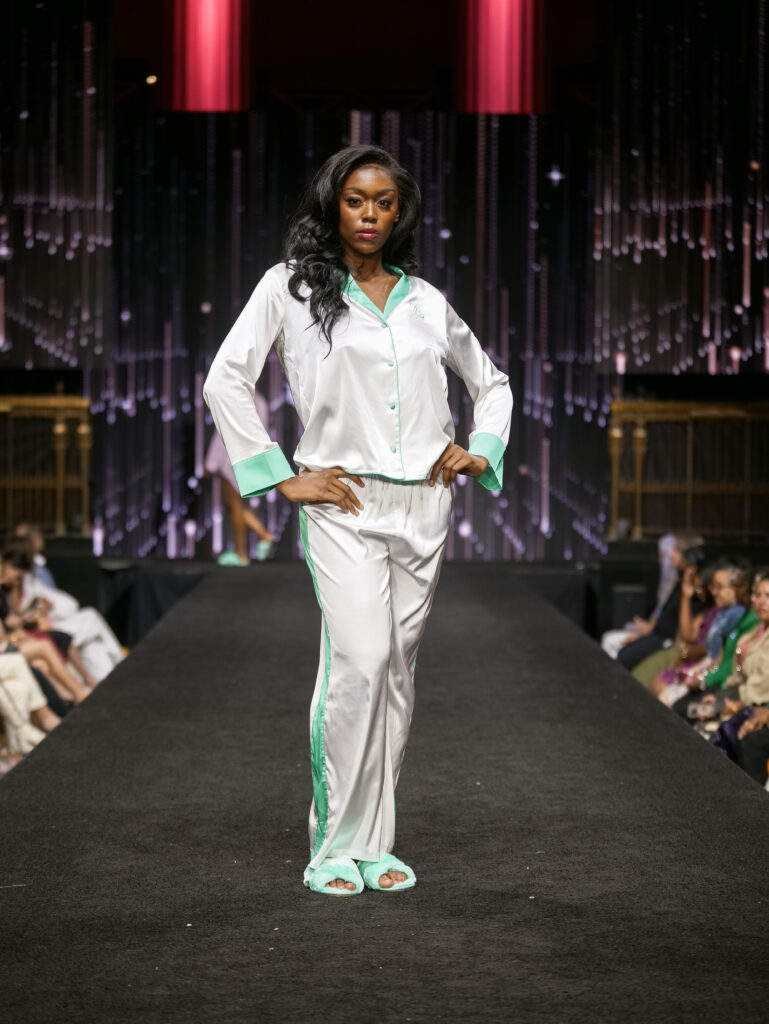
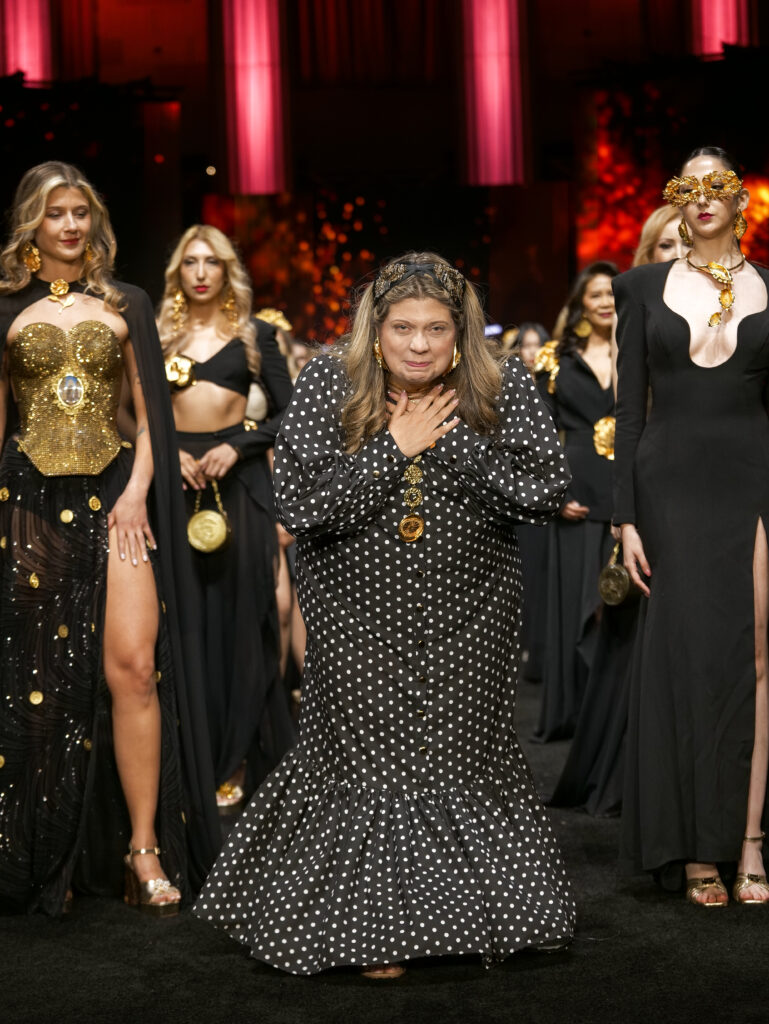
Building the Room Around the Designer
That philosophy becomes particularly important for the independent and emerging designers who make up a significant part of The Bureau’s runway calendar.
“We see hundreds of designers every season,” says Krissy King, co-founder of The Bureau Fashion Week. “The talent was never the scarce thing… the runway was. That’s the part we fixed.”
For a designer without the backing of a major luxury conglomerate, access to an engaged audience can be as important as the runway itself.
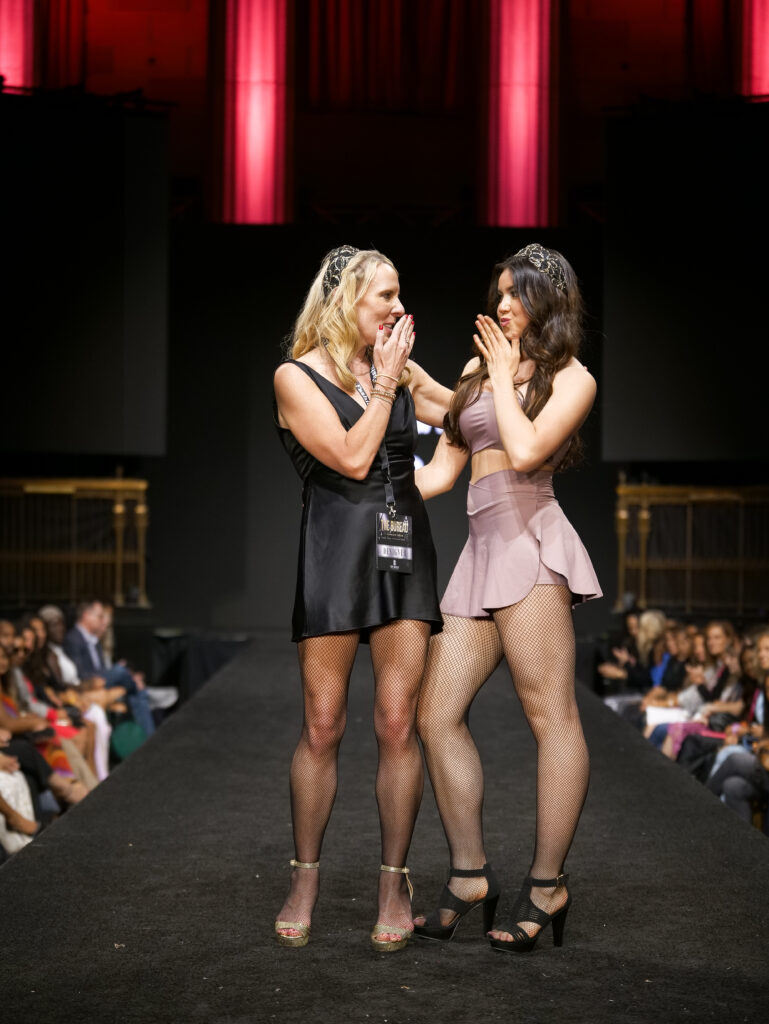
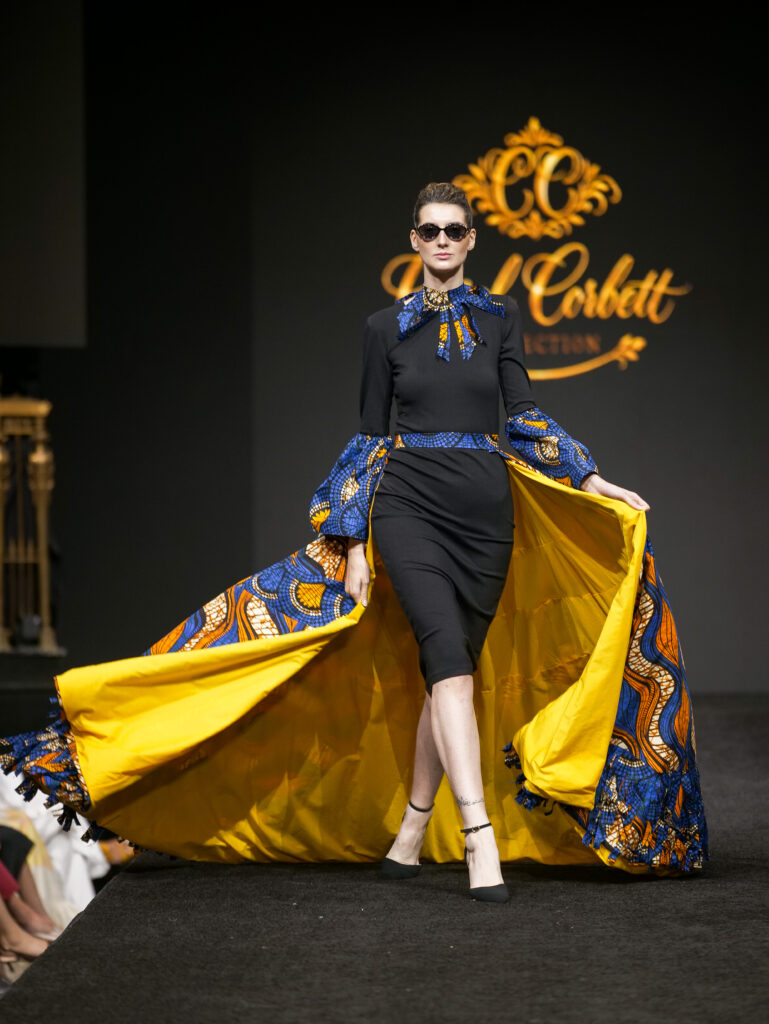
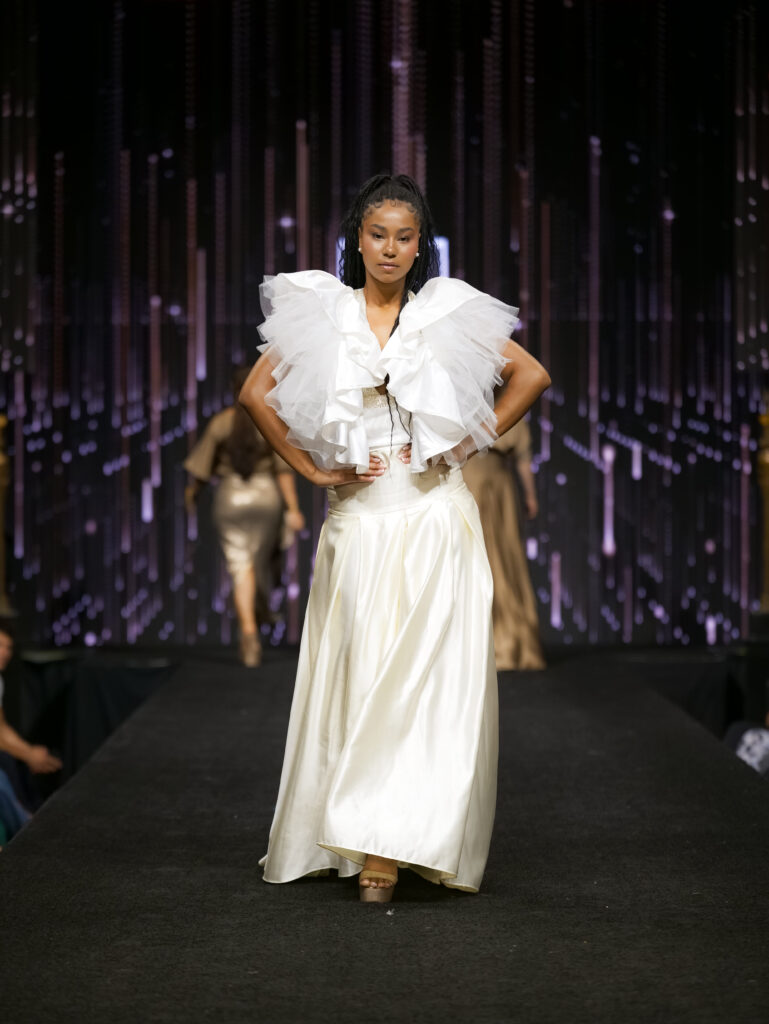
Thousands of attendees photographing collections, filming finales, sharing looks and tagging designers can transform a Fashion Week presentation into something considerably larger than the minutes a collection spends on the catwalk.
“A designer doesn’t need permission to matter,” Brady King says. “They need a runway, an audience that shows up, and content that travels.”
New York, Then Paris and Los Angeles
That philosophy will take center stage during The Bureau’s New York Fashion Week season, September 11–13.
The social calendar will begin with The Rose Ball at Gotham Hall, an after-midnight celebration featuring a live performance by the Ying Yang Twins and a “black tie meets full bloom” dress code.
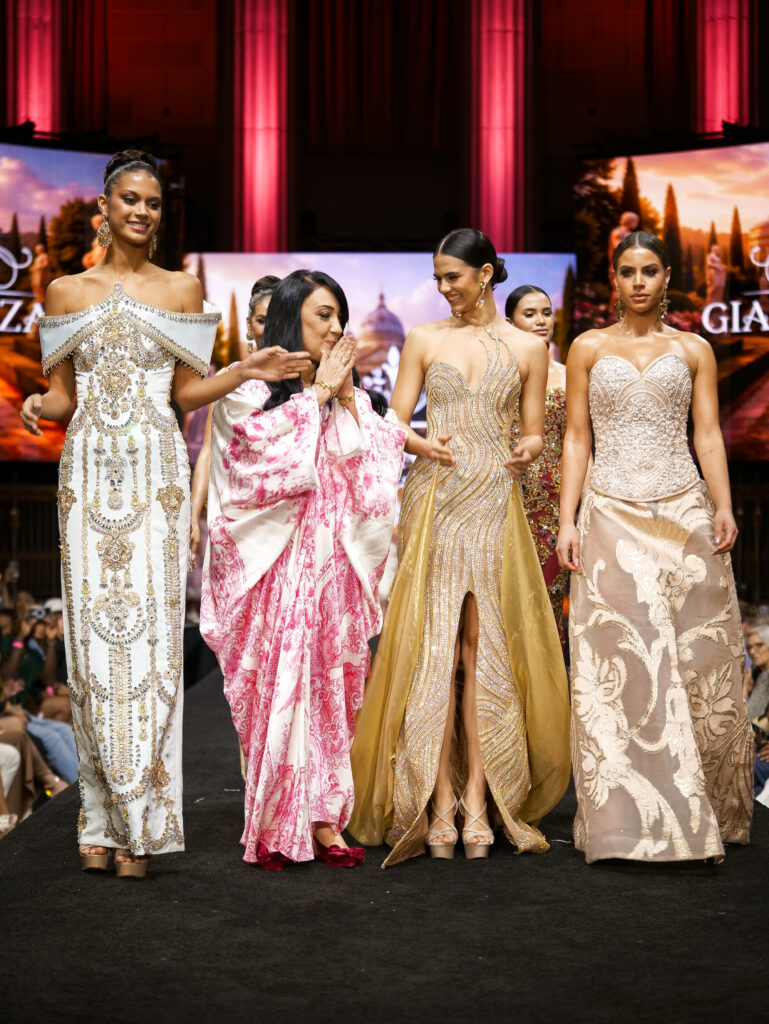
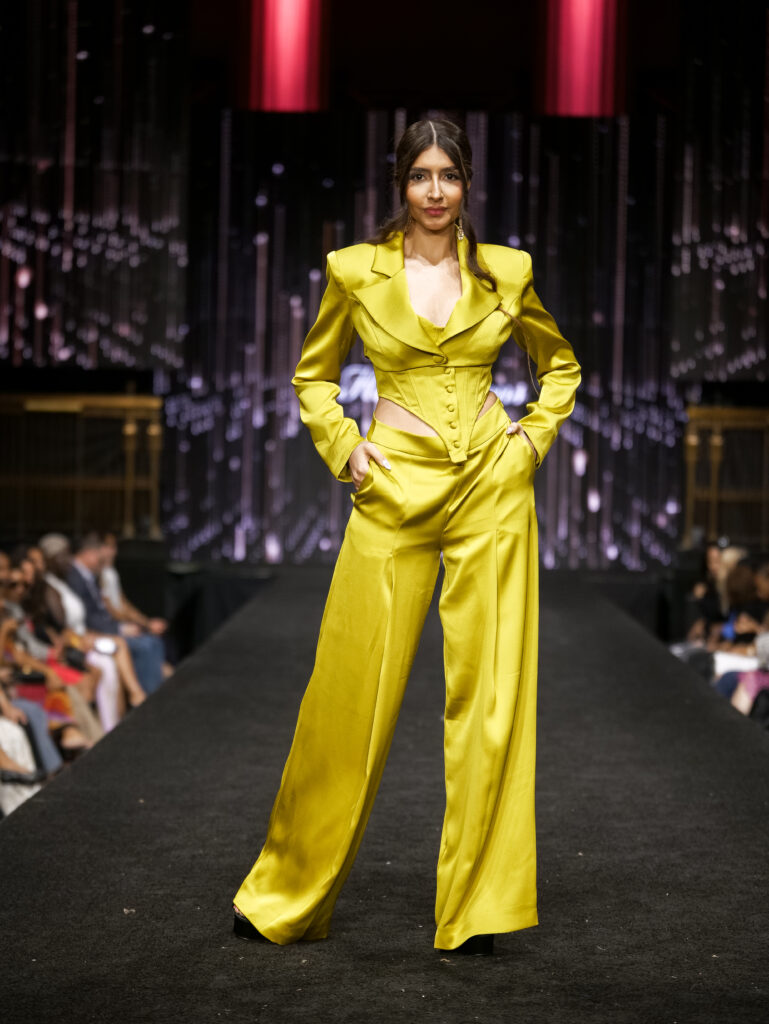
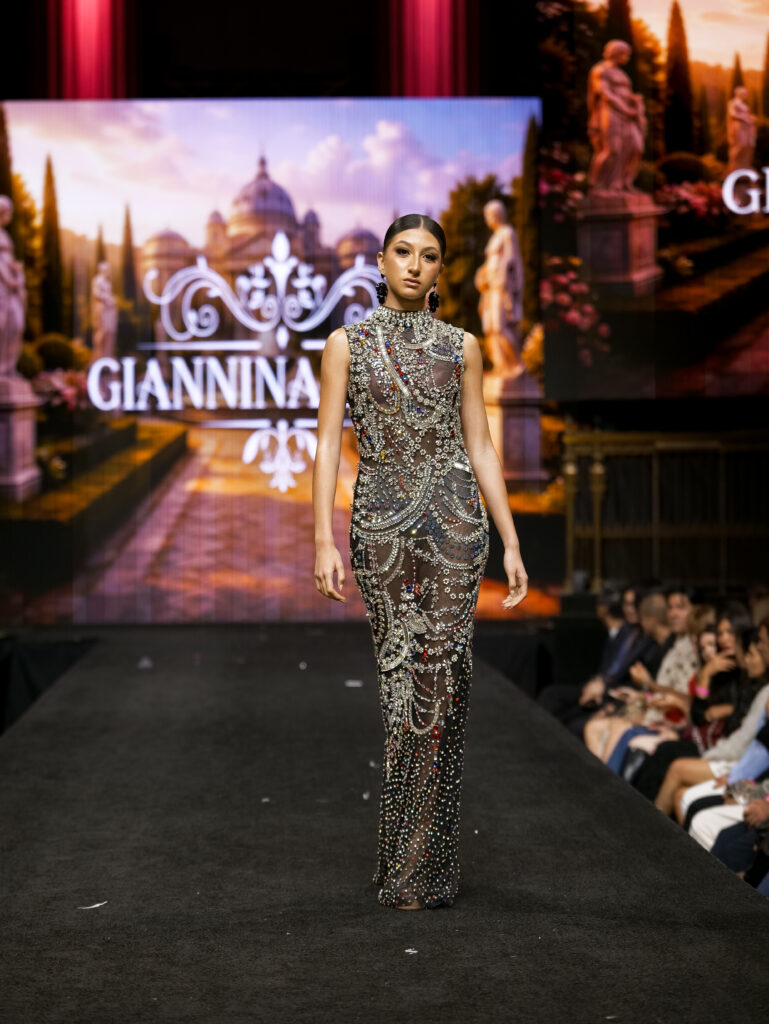
“You watch a designer walk out for their first finale in New York,” Krissy King says, “and you understand exactly why this room needs to exist.”
From New York, The Bureau will head to Paris, presenting at Espace Cléry from October 1–3, before continuing to Los Angeles October 16–18.
Three cities. Six weeks. One approach to access.
In 2027, the organization plans to expand its New York calendar further with seasons in both February and September.
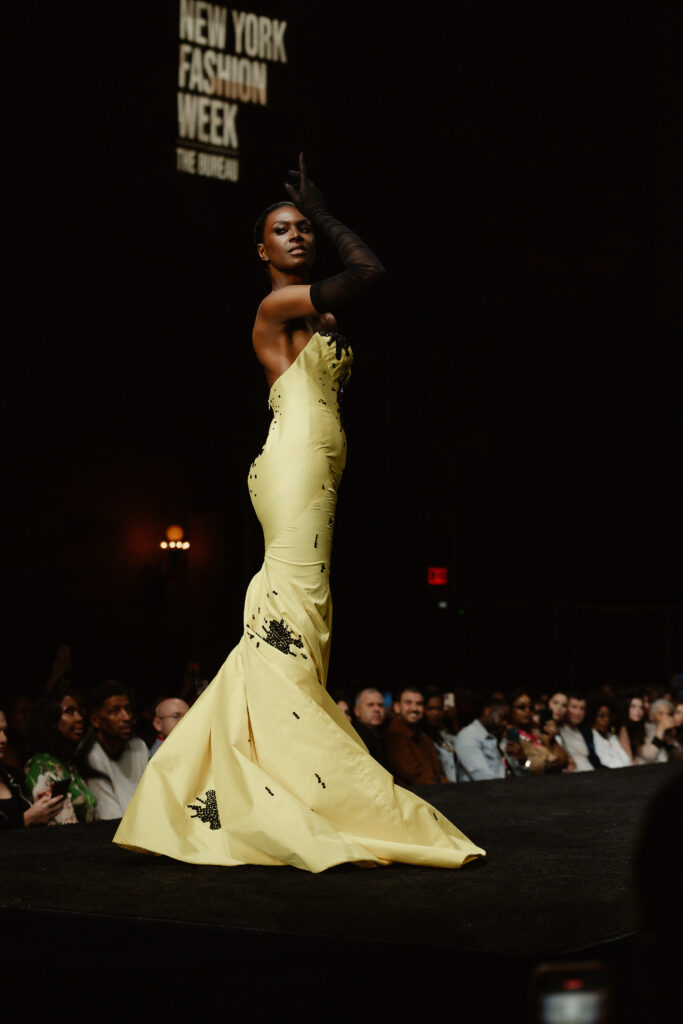
The People Behind The Bureau
Behind the expanding calendar is a team responsible for moving designers and talent from application to runway.
Alongside co-founders Brady and Krissy King, The Bureau team includes Christina Weeks, Talent and BOH Production Manager; Kelsey Crews, Executive Assistant and Sponsorship Specialist; Bryan Herrera, Designer Success Specialist; Raney Burnett, Talent and Production Specialist; and Amber Wheeler, NYFW Hair and Makeup Lead.
The Designer Relations Team includes Chris Callahan, Nik Armstrong, who serves as lead, Reece Wilson and Emily Cleveland.
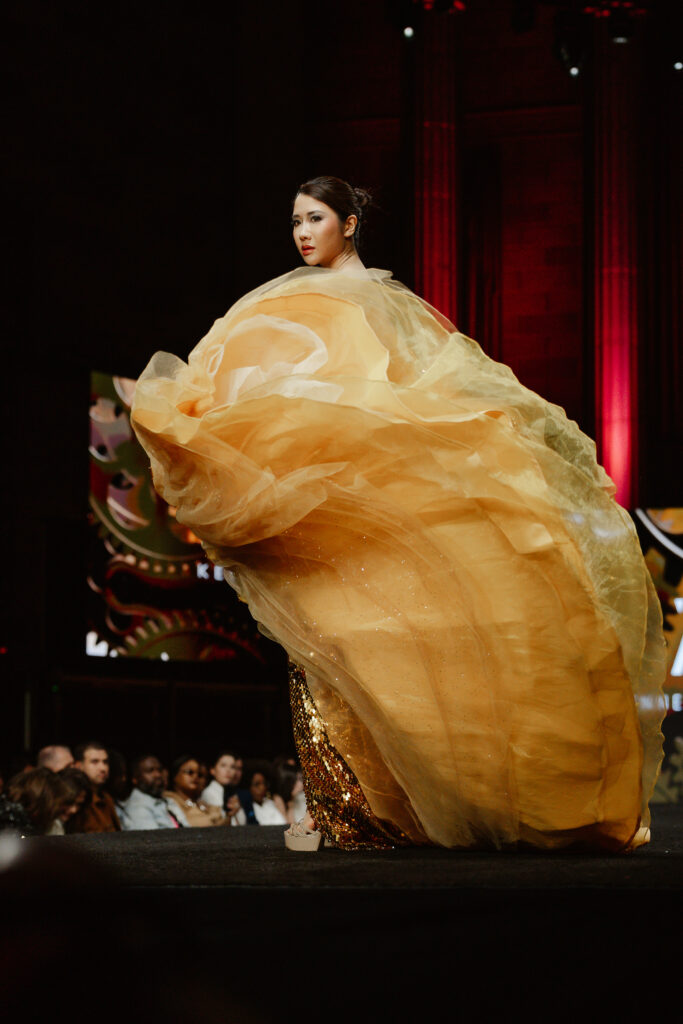
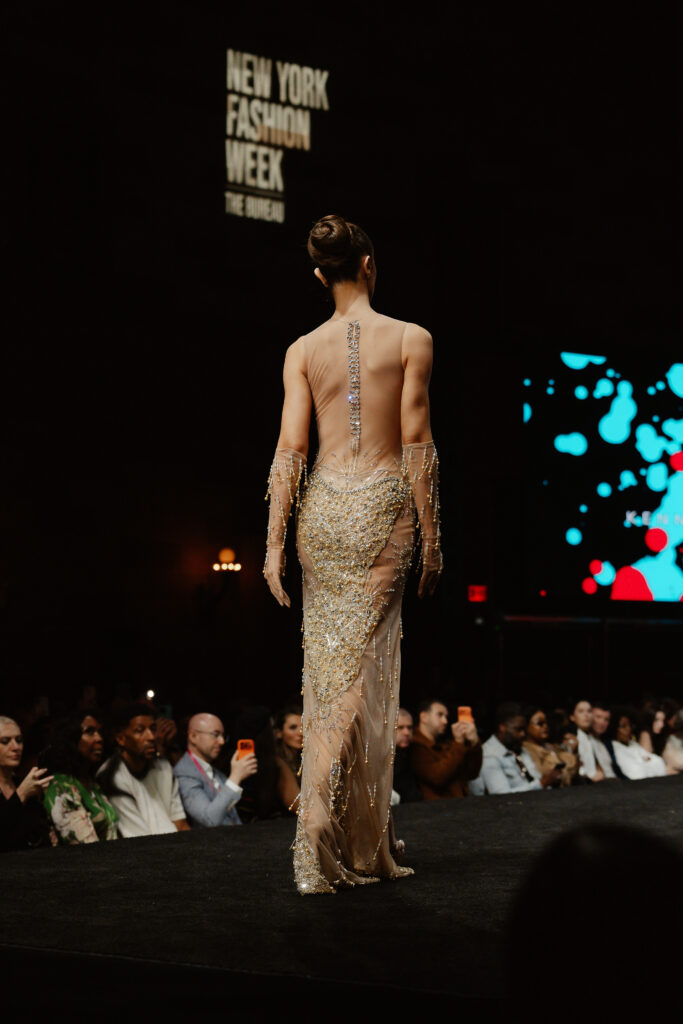
Together, the team is building an organization around the idea that expanding access doesn’t have to diminish Fashion Week. It can introduce the industry to people, designers and perspectives that its traditional system may never have reached.
The New Front Row
Fashion has always understood the power of scarcity.
But scarcity and relevance aren’t necessarily the same thing.
The Bureau’s experiment asks what happens when some of the energy traditionally spent determining who should be excluded is redirected toward creating a room people actively want to enter.
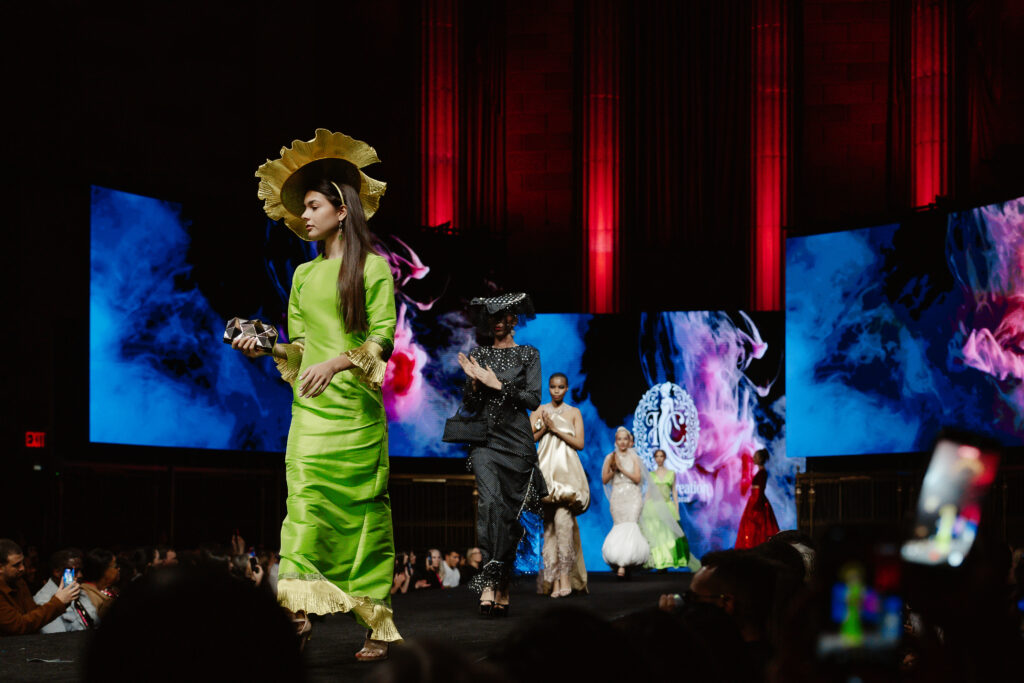
“We’re not tearing down the front row,” Brady King says. “We’re just refusing to pretend there’s only one.”
And perhaps that’s the more interesting question heading into another Fashion Week season.
Not simply who gets the best seat but who gets the opportunity to be in the room when fashion’s next chapter begins.
Credits:
Show: The Bureau Fashion Week @thebureaufashionweek
Co-Founder: @thekrissyking
Co-Founder: @thebradyking
Talent & Production Manager: @christinarunstherunway
Journalist/Writer: Brit Olivia @onceuponatimebrit
PR: Paris Runway Official @parisrunwayofficial
PRO Models: Mirka Howard @mirhoward28 Amanda Matthews @theamandamatthews Elise Brisco @hollywoodeyes Brian Metcalf @bametcalf1 Kelly Arjen @kellyarjen
Photos: Hira Ansari @hansari3090 and Jerrell Rolack @thebureaufashionweek